

How to Store Fine Jewelry: The Complete Guide to Keeping Your Pieces Pristine
Fine jewelry is more than a collection of beautiful objects. It carries memories, marks milestones, and holds value that only deepens with time. A diamond engagement ring, a birthstone pendant gifted on a meaningful birthday, a pearl strand passed down through generations, these pieces deserve more than a drawer or a bathroom countertop.
Yet improper storage is one of the most common reasons fine jewelry loses its luster, tangles, scratches, or tarnishes. The good news? Protecting your collection doesn't require an elaborate system. A few smart habits go a long way.
This post walks you through everything you need to know about storing fine jewelry, from where to keep it, to how to care for specific gems like diamonds, birthstones, and pearls.
Why Proper Jewelry Storage Matters

Every time a piece of jewelry is left unprotected, tossed on a nightstand, piled in a dish with other pieces, or stored in a steamy bathroom, it faces real risks: scratching from contact with harder stones or metals, tarnishing from humidity and air exposure, tangling that weakens delicate chains, and discoloration from chemicals in the environment.
Diamonds, despite being the hardest natural material on earth (a 10 on the Mohs scale), can still chip at the edges and will readily scratch softer gemstones sitting beside them. Birthstones like amethyst, opal, and turquoise are sensitive to UV rays and heat. Pearls are especially delicate organic gems that react poorly to perfumes, dryness, and rough surfaces.
Knowing what each piece needs is the first step to storing it right.
Choose the Right Storage Environment

Before thinking about boxes and organizers, think about location. The environment where you store jewelry matters enormously.
The ideal conditions are:
- Cool, stable room temperature (not hot attics or cold, drafty closets)
- Low humidity, moisture accelerates tarnishing in metals and can damage porous gems
- Away from direct sunlight, UV rays can fade and discolor stones like amethyst, opal, and sapphire
- Away from the bathroom, steam and humidity from showers speed up oxidation and tarnishing
A bedroom dresser or an interior closet shelf is typically ideal. If you have particularly valuable pieces, heirloom diamonds, high-karat gold, or a curated set of BESEEN Diamond Jewelry, a fireproof home safe or a bank safety deposit box adds an important layer of security and climate protection.
Adding silica gel packets near your storage area helps absorb excess moisture without making the environment too dry.
The Golden Rule: Store Every Piece Separately
No matter how beautiful your jewelry box looks, the single most important storage rule is this: never let pieces touch each other.
Diamonds will scratch softer stones. Metal clasps will abrade pearl surfaces. Chains will knot and weaken when piled together. Even pieces of the same metal type can scratch each other.
Use individual compartments, soft cloth pouches, or fold each piece in acid-free tissue paper. This applies to everyday pieces just as much as to special-occasion jewelry.
Choosing the Right Jewelry Box or Organizer
Not all jewelry boxes are created equal. The lining material and compartment design matter as much as the aesthetic.
What to look for:
- Lining made from natural fabrics, cotton, silk, or untreated wool are gentle on metals and stones
- Multiple individual compartments with dividers to prevent contact between pieces
- Ring rolls, necklace hooks, and earring slots for organized, damage-free storage
- A lid that closes securely to limit air and dust exposure
What to avoid:
- Foam or synthetic linings, these may contain chemicals that cause oxidation and discoloration
- Leather and felt linings, the chemicals used to treat these materials can harm precious metals over time
- Plastic bags and airtight plastic containers, especially for pearls, which need to breathe
For large collections, stackable tiered organizers or shallow drawer inserts with fabric dividers work well. If you prefer display storage, a wall-mounted necklace rack or a jewelry tree keeps chains tangle-free and easy to reach, just keep them away from windows and direct light.
How to Store Diamond Jewelry

Diamonds are durable, but not indestructible. Their hardness means they can scratch virtually any other material, including other gemstones and even other diamonds along certain crystallographic planes.
Storage tips for diamonds:
- Keep each diamond piece in its own soft pouch or compartment
- Never store diamond jewelry alongside pearls, opals, or softer gemstones
- Use a velvet- or silk-lined box for rings and pendants to prevent edge chipping
- Clean diamond jewelry before storing, oils from skin and lotion build up and can dull brilliance over time
If your diamonds are set in fine gold or platinum, like the timeless pieces in the BESEEN Diamond Jewelry collection, store them in separate, soft-lined slots that support the setting and prevent prongs from catching on other pieces.
For long-term storage of high-value diamond pieces, consider individual hard cases and document each piece with photos, receipts, and appraisal certificates updated every two to five years.
How to Store Birthstone Jewelry
Birthstone jewelry spans a wide range of gemstones, from relatively hard stones like garnet (January) and aquamarine (March) to more delicate ones like opal (October) and pearl (June). Because each stone has different properties, storage needs vary.
General birthstone storage principles:
- Organize by hardness, harder stones like sapphire, ruby, and diamond should be stored well away from softer ones
- Keep UV-sensitive stones (amethyst, citrine, kunzite) away from windows and direct light, which can fade their color over time
- Porous or treated stones like opals and emeralds should never be soaked or stored in overly dry conditions, use a slightly breathable pouch rather than a sealed container
- Always store birthstone rings and pendants in individual slots or pouches to prevent scratching
BESEEN's Birthstone Jewelry collection is a wonderful example of how thoughtfully designed birthstone pieces deserve equally thoughtful care. Whether it's a January garnet pendant or a September sapphire ring, dedicating a separate compartment to each piece ensures the stone's color and surface stay as vivid and smooth as the day it was crafted.
A practical tip: label sections of your jewelry box by birth month or gemstone type. It makes daily selection effortless and ensures you're handling each piece with the care its specific stone requires.
How to Store Pearl Jewelry
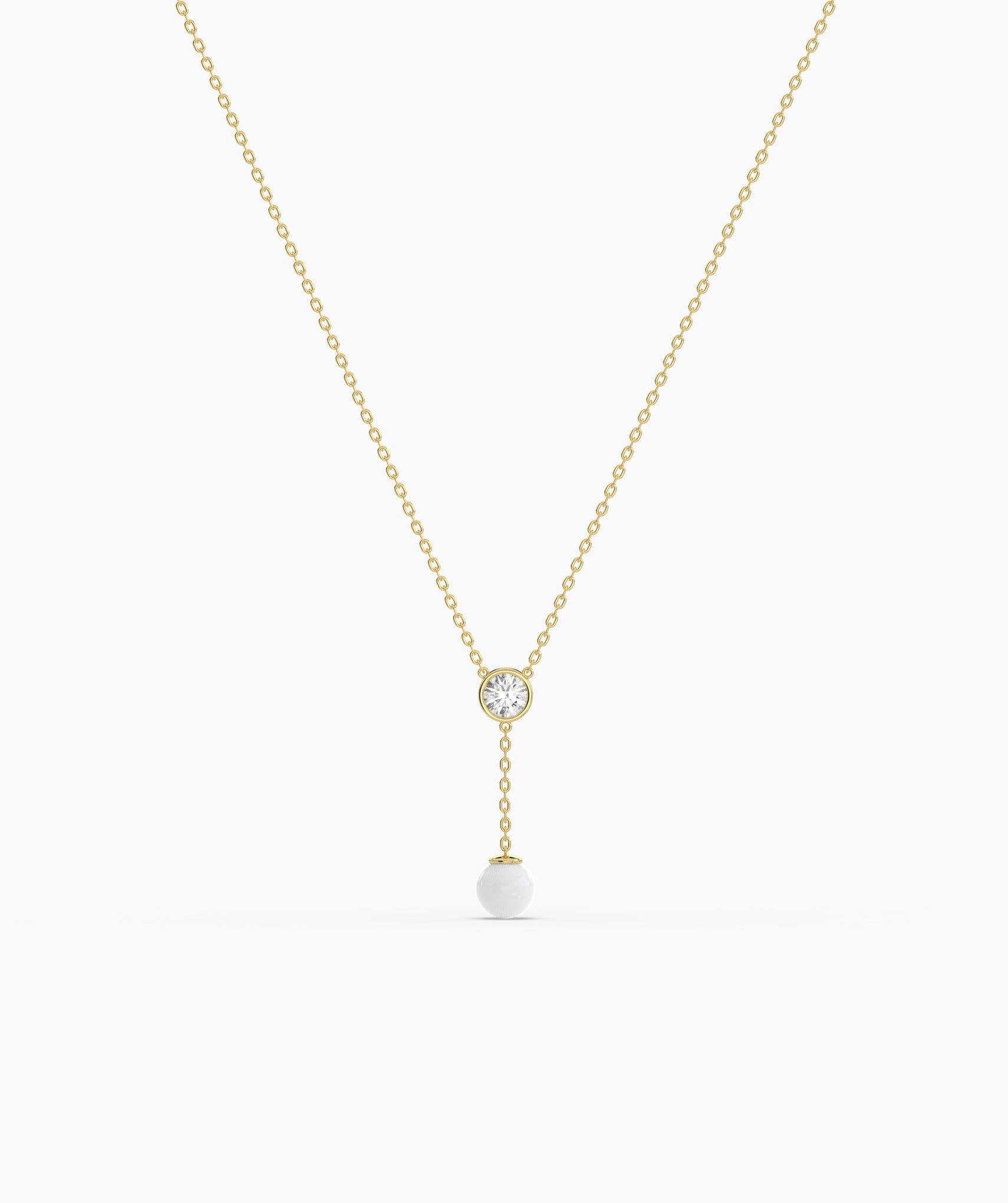
Of all fine jewelry, pearls require the most specialized care. Unlike diamonds or colored gemstones, pearls are organic, formed from layers of nacre secreted by mollusks. This makes them uniquely beautiful and uniquely vulnerable.
Pearls are sensitive to:
- Chemicals in perfume, hairspray, sunscreen, and cosmetics
- Extreme dryness, which causes the nacre to crack and yellow over time
- Rough surfaces or harder gemstones, which scratch their delicate surface
- Airtight plastic containers, which trap gases that degrade nacre
Pearl storage best practices:
- Store pearls in a soft silk or cotton pouch, never plastic
- Keep pearl jewelry in a slightly breathable environment; a sealed airtight box will cause dehydration
- Lay pearl strands flat rather than hanging them, silk thread stretches under gravity over time
- Store pearls completely separately from diamonds, sapphires, and metal clasps, all of which can scratch the surface
- After each wear, wipe pearls gently with a soft, damp cloth to remove oils and residue before storing
- Maintain relative humidity between 45–55% where pearls are stored
- Have pearl strands professionally restrung every three to five years to prevent thread wear
The rule of thumb for pearls is: last on, first off. Put them on after applying makeup and perfume, and take them off before anything else when you get home.
BESEEN Pearl Jewelry, whether a classic strand, a pair of pearl studs, or a modern pearl pendant, benefits enormously from this kind of attentive care. A pearl piece stored correctly will retain its natural glow for decades, often becoming the most treasured heirloom in a jewelry collection.
Organize by Type, Metal, and Occasion
Once you have the right storage containers and environment, organization makes daily wear far easier and helps you spot any pieces that need cleaning or repair.
Organize by category first: rings together, necklaces together, earrings together, bracelets together.
Then refine by metal type: silver tarnishes faster when stored alongside gold or copper, so keeping silver pieces together, ideally with an anti-tarnish strip in the same compartment, slows oxidation significantly.
Finally, separate by occasion: a dedicated tray for everyday pieces (your go-to diamond studs, a simple gold chain, a birthstone ring you wear often) and a separate case for grand-occasion jewelry. This reduces unnecessary handling of your most precious pieces and makes morning routines faster and less stressful.
Storing Jewelry for Travel
Travel is where jewelry most often gets damaged. Chains knot, stones crack against hard surfaces, and earrings go missing in the chaos of packing.
Travel storage tips:
- Use a dedicated travel jewelry case with individual padded compartments and a secure zip closure
- Thread delicate necklaces through a drinking straw before placing in a pouch, this keeps the chain straight and prevents knotting
- Pack pearl jewelry in silk travel pouches rather than hard plastic cases
- Bring only what you plan to wear; leave irreplaceable heirlooms and high-value pieces at home or in a hotel safe
- Keep jewelry in your carry-on, never in checked luggage
Regular Maintenance: Clean Before You Store
Jewelry should always be clean before it goes back into storage. Skin oils, sweat, lotion, and environmental debris left on jewelry accelerate tarnishing and can build up in settings, dulling the brilliance of even the finest diamonds.
A simple cleaning routine:
- For gold and diamond jewelry: soak briefly in a solution of warm water and a few drops of mild dish soap, then gently brush with a soft toothbrush, rinse, and blot dry with a soft lint-free cloth
- For silver: use a silver polishing cloth or a non-abrasive silver paste, then rinse and dry thoroughly
- For pearls: wipe with a soft, barely damp cloth after every wear, never soak, and never use ultrasonic cleaners or steam cleaners on pearls
- For delicate birthstones like opals and emeralds: wipe gently with a damp cloth only, no soaking or harsh cleaning solutions
Inspect pieces while cleaning. Look for loose prongs, worn clasps, and thin spots on chains. Catching these early prevents the loss of a stone or a broken piece later.
Don't Forget: Insurance and Documentation
Even the best storage habits can't prevent every loss. Fire, theft, and accidents happen. Document your collection with clear photographs of each piece from multiple angles, keep purchase receipts and appraisal certificates in a separate, secure location (not with the jewelry), and review your homeowner's or renter's insurance policy to confirm fine jewelry is covered, or consider a dedicated jewelry insurance rider.
Experts recommend updating jewelry appraisals every two to five years, particularly in today's fluctuating precious metals and gemstone market.
Final Thoughts
Fine jewelry is a living part of your story. The diamond that marked a commitment, the birthstone that represents someone you love, the pearl strand that came from someone's grandmother, these pieces are worth protecting with the same care and intention that went into choosing them.
With the right storage environment, individual compartments, fabric-lined cases, and a consistent cleaning routine, your jewelry will stay brilliant and intact for years. And when you invest in beautifully handcrafted pieces, like those from BESEEN's Diamond, Birthstone, and Pearl collections, giving them the proper care they deserve is simply part of honoring what they mean.
Store well. Wear often. Pass them on.