

December Birthstones: The Complete Guide to Tanzanite, Turquoise, Zircon and Blue Topaz
December is one of only a few months blessed with not one or two, but four recognized birthstones: tanzanite, turquoise, zircon, and blue topaz.
Each gem brings its own shade of blue to the table, its own origin story, and its own spiritual significance. Whether you were born in December, shopping for someone who was, or simply drawn to the cool elegance of blue gemstones, this post walks you through everything you need to know, from ancient symbolism to modern jewelry styling.
What are the December Birthstones?

December birthstones include tanzanite, turquoise, zircon, and blue topaz. The American Gem Society and the Gemological Institute of America (GIA) recognize tanzanite, turquoise, and zircon as the three traditional December birthstones, while blue topaz has earned widespread modern association with the month thanks to its vivid blue color and everyday durability.
All four stones share a common palette of cool blues, ranging from soft sky tones to deep indigo and violet, making them a natural reflection of December's winter skies and crisp, frosty evenings. But beyond color, each stone carries centuries of cultural meaning, unique geological origins, and distinct metaphysical properties.
Tanzanite: The Rare Violet-Blue Gem

History and Origin
Tanzanite has one of the most dramatic discovery stories in the gem world. Found in the late 1960s near the foothills of Mount Kilimanjaro in northern Tanzania, it remains the only known source of this stone on Earth.
Tiffany & Co. recognized its potential almost immediately, naming it "tanzanite" after its country of origin and introducing it to the international jewelry market in 1968. Within a few decades, it had become one of the most sought-after colored gemstones in the world.
Color and Appearance
What makes tanzanite truly captivating is its pleochroism, the ability to display different colors depending on the viewing angle.
Tilt a tanzanite stone under varying light conditions and you may see shifts from deep sapphire blue to violet-purple, occasionally catching hints of burgundy.
Heat treatment is commonly used to bring out its signature blue-violet intensity, turning rough brownish-yellow zoisite crystals into the vivid gems we see in finished jewelry.
Meaning and Healing Properties
Tanzanite is often called the "Stone of Transformation" and the "Stone of Magic." It is believed to facilitate personal growth, deepen spiritual awareness, and encourage compassionate communication.
Many people who work with healing crystals turn to tanzanite during times of major life transitions, viewing it as a stone that helps navigate change with grace and clarity.
It is also associated with the throat and third-eye chakras, making it a popular choice for those focused on enhancing intuition and honest self-expression.
Durability and Care
Tanzanite rates between 6 and 7 on the Mohs hardness scale. While durable enough for jewelry, it is softer than many popular gemstones and can be susceptible to scratching or chipping if struck with force.
It is sensitive to sudden temperature changes and should never be cleaned in ultrasonic or steam cleaning machines. A soft cloth and warm, soapy water are the safest cleaning methods.
Because of its moderate hardness, tanzanite is often best suited for earrings, pendants, and necklaces rather than everyday rings.
That said, a well-crafted protective setting can make a tanzanite ring perfectly wearable for special occasions.
Turquoise: The Ancient Stone of Protection

History and Origin
If tanzanite is December's modern star, turquoise is its ancient treasure. Turquoise is one of the oldest gemstones known to civilization, with evidence of its use dating back more than 6,000 years.
Egyptian pharaohs adorned their burial chambers and ceremonial masks with turquoise, including the famous funerary mask of King Tutankhamun.
Persian artisans prized even-colored, intense blue turquoise, often described as "robin's egg blue" or "Persian blue," and considered it a symbol of heaven.
Turquoise held deep spiritual significance for Native American cultures. The Apache believed that turquoise could be found by following a rainbow to its end and that attaching it to a bow or firearm improved accuracy.
The Pueblo people thought the stone drew its color from the sky, while Tibetan Buddhists regard it as a national treasure, wearing turquoise for good fortune and protection from evil.
The name itself comes from the Medieval French "pierre tourques," meaning "Turkish stone," a nod to the ancient trade routes that brought turquoise from Persian mines through Turkey to European markets.
Color and Appearance
Turquoise ranges from vivid sky blue to blue-green, often featuring dark veins or patterns called "matrix," which are remnants of the host rock.
The matrix patterns make every turquoise stone visually unique. The most prized turquoise is an intense, even blue without prominent matrix, though many collectors and jewelry lovers appreciate the character that veining brings to each piece.
Major historical sources include Iran, the American Southwest (particularly Arizona and Nevada), and China's Hubei Province.
The Kingman mine in Arizona has been a historically significant source, known for producing rich, saturated blue stones.
Meaning and Healing Properties
Turquoise symbolizes protection, healing, and spiritual balance.
For centuries, people believed it could shield its wearer from harm, guarantee health, and attract good fortune. It is also associated with honest communication and is thought to promote friendship, inner calm, and emotional stability.
Crystal practitioners often recommend turquoise for those looking to release negativity, strengthen their connection to the natural world, and foster a sense of peace and grounding.
Durability and Care
With a Mohs hardness of only 5 to 6, turquoise is one of the softer gemstones. It is porous and can absorb oils, cosmetics, and chemicals, which may alter its color over time.
Always remove turquoise jewelry before applying lotions, perfumes, or cleaning products. To clean, simply wipe gently with a soft, damp cloth.
Avoid ultrasonic and steam cleaners entirely. Some turquoise is treated with epoxy or acrylic resin to improve hardness and color stability, which is standard practice in the industry.
Zircon: The Brilliant Ancient Mineral
History and Origin
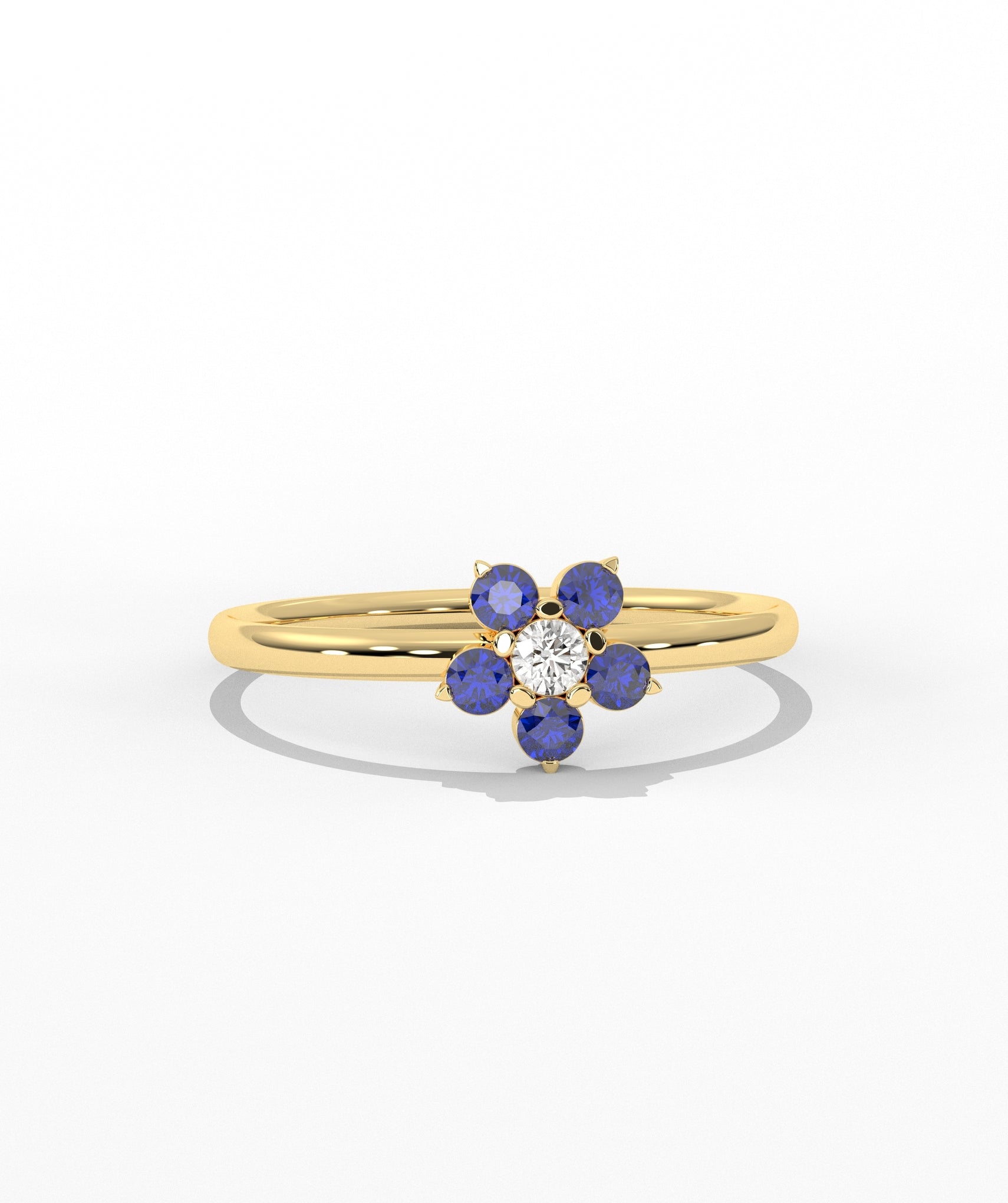
Do not confuse zircon with cubic zirconia, the synthetic diamond simulant. Zircon is a naturally occurring mineral and one of the oldest known on Earth, with some specimens dating back over 4.4 billion years.
It has been used in jewelry since the Middle Ages, when it was believed to bring prosperity, honor, and wisdom to its wearer.
Gem-quality zircon comes from locations across the globe, including Sri Lanka, Cambodia, Myanmar, Vietnam, and Australia.
For December birthstone purposes, blue zircon is the variety most commonly associated with the month, though the mineral naturally occurs in a rainbow of colors including yellow, brown, red, green, and colorless.
Color and Appearance
Blue zircon's appeal lies in its exceptional brilliance and fire. With a high refractive index, zircon can rival diamond in its ability to split light into spectral colors, creating a lively sparkle that catches the eye from across a room.
Blue zircon shades range from pale icy blue to vivid, saturated teal, with the brightest blues usually achieved through heat treatment of brown or reddish-brown rough stones.
Meaning and Healing Properties
Zircon is associated with clarity of mind, confidence, and grounding energy. It is believed to help sharpen focus, support decision-making, and protect against negative influences.
Some traditions hold that wearing zircon promotes restful sleep and helps ease emotional turmoil.
In Indian astrology, zircon is sometimes recommended as an alternative to certain planetary gemstones for its purported ability to enhance wisdom and self-assurance.
Durability and Care
Zircon scores between 6.5 and 7.5 on the Mohs scale. While reasonably hard, it can be brittle along its edges and susceptible to chipping if handled roughly.
Protective settings are ideal for zircon rings, and the stone is generally safer in earrings and pendants for everyday wear.
Clean with mild soap and warm water. As with the other December birthstones, avoid ultrasonic and steam cleaners.
Blue Topaz: The Modern Everyday Favorite
History and Origin
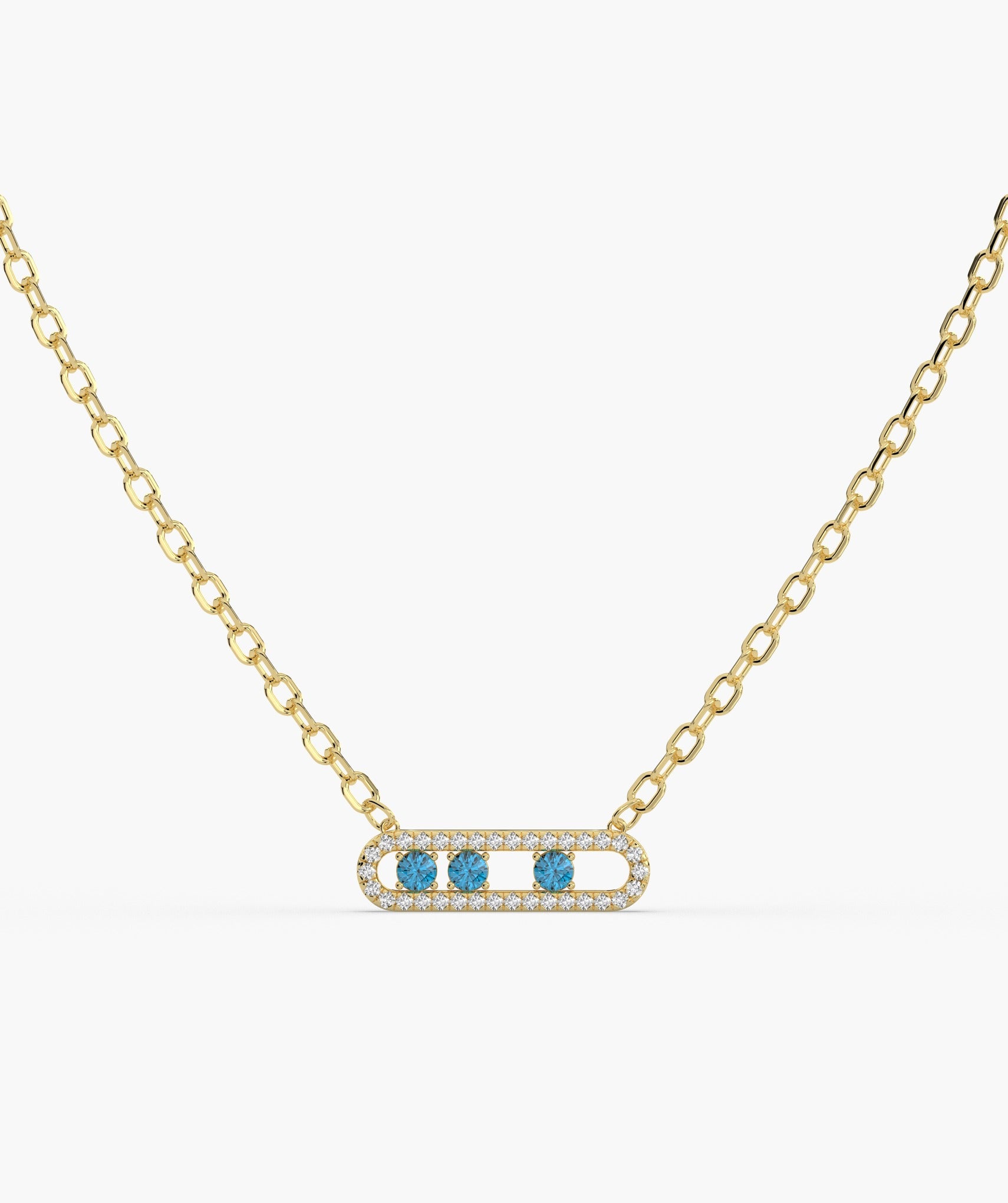
While topaz is officially November's birthstone, blue topaz has become so closely associated with December that many jewelers and gem guides now include it among December's official stones. Its affordability, availability in larger sizes, and superior hardness have made it one of the most popular blue gemstones in modern jewelry.
The word "topaz" likely derives from the Sanskrit word "tapas," meaning fire, or from the Greek island of Topazos. Throughout history, topaz was valued for its perceived ability to cool tempers, relieve anger, and protect against enchantment. Ancient civilizations believed it could even cool boiling water.
Natural blue topaz is extremely rare and usually very pale. The vivid blues most people associate with the stone, Sky Blue, Swiss Blue, and London Blue, are achieved through safe, industry-standard treatments of heat and irradiation applied to colorless topaz. The resulting colors are permanent and stable.
Color and Appearance
Blue topaz comes in three main shades. Sky Blue is the lightest, offering a soft, airy tone reminiscent of a clear winter morning. Swiss Blue is brighter and more saturated, a vivid, cheerful blue that stands out beautifully in any setting. London Blue is the deepest and most dramatic, a rich, inky blue-gray that borders on teal and is the most sought-after of the three.
Meaning and Healing Properties
Blue topaz is often called the "clarity stone." It symbolizes open communication, wisdom, and emotional honesty. Many believe it helps calm the mind, reduce stress, and encourage creative thinking. It is associated with the throat chakra, making it a natural fit for those who value self-expression, whether they are writers, speakers, teachers, or anyone who relies on clear communication in their daily life.
Durability and Care
Blue topaz rates an impressive 8 on the Mohs hardness scale, making it the most durable of all December birthstones by a significant margin. It can handle daily wear better than turquoise, tanzanite, or zircon, which is one reason it has become such a popular choice for rings, bracelets, and other jewelry meant to be worn every day. That said, topaz can chip if struck at certain angles along its cleavage plane, so avoid hard impacts. Clean with warm, soapy water and a soft brush. As with the other December stones, skip ultrasonic and steam cleaners to be safe.
December Birthstone Colors: A Complete Winter Palette
All four December birthstones share a blue color family, but each brings a distinct personality to the palette.
Tanzanite offers the deepest violet-blue, shifting to purple under warm lighting, a gem that feels luxurious and rare.
Turquoise provides an opaque, earthy blue-green with natural veining, evoking the Southwest, ancient trade routes, and centuries of cultural reverence.
Zircon sparkles with a brilliant, icy blue that can rival diamond for fire and light performance, a stone that surprises people who discover it for the first time.
Blue topaz spans the widest range, from the whisper of Sky Blue through the vibrancy of Swiss Blue to the moody depth of London Blue, offering something for every taste.
Together, they create a winter-inspired color story that mirrors December itself: cool, contemplative, and quietly powerful.
December Birthstone and Zodiac Connections
December is shared by two zodiac signs, and each has a natural affinity with certain stones.
Sagittarius (November 22 to December 21) is the adventurer, the truth-seeker, the optimist. Turquoise resonates strongly with Sagittarian energy, offering protection during travel and encouraging honest, expansive communication. Blue topaz also complements Sagittarius well, supporting clarity of thought and creative self-expression.
Capricorn (December 22 to January 19) is the builder, the strategist, the ambitious achiever. Tanzanite aligns with Capricorn's drive for transformation and growth, while zircon's grounding clarity supports focus and disciplined decision-making.
Of course, birthstone connections are not rigid rules. Many people choose their December birthstone based on personal resonance, aesthetic preference, or the specific meaning that speaks to them most.
How to Choose the Right December Birthstone
With four stones to choose from, selecting the right one comes down to a few personal factors.
If you value rarity and want a stone with genuine collector appeal, tanzanite is the standout. Its single-source origin in Tanzania makes it one of the rarest gemstones in commercial circulation.
If you are drawn to history, cultural storytelling, and earthy aesthetics, turquoise offers a depth of heritage that few gems can match. It is a stone that carries the weight of ancient civilizations.
If brilliance and sparkle are your priorities, blue zircon delivers fire and light dispersion that can genuinely rival diamond, making it a sleeper hit among gem enthusiasts.
If you want everyday durability, affordability, and a wide range of blue shades to choose from, blue topaz is your most practical and versatile option. Its hardness of 8 on the Mohs scale means it can handle daily wear gracefully.
December Birthstone Jewelry: What to Look For
When shopping for December birthstone jewelry, the setting and metal choice matter just as much as the stone itself.
Tanzanite pairs beautifully with white gold and platinum, which bring out its cool violet-blue tones without competing for visual attention. Because tanzanite is softer, look for bezel or halo settings that offer some physical protection around the stone.
Turquoise makes a striking statement in yellow gold, which warms up its blue-green tones and creates a rich, timeless contrast. Sterling silver is another classic pairing for turquoise, especially in Southwest-inspired designs.
Zircon and blue topaz are both versatile enough to look gorgeous in any metal, whether yellow gold, white gold, or rose gold. Their brightness and clarity complement minimalist settings beautifully, letting the stone take center stage.
For those looking for birthstone jewelry that balances meaningful personalization with modern design, BESEEN Jewelry offers a thoughtfully curated birthstone collection crafted in certified 14K solid gold. Available in yellow, white, and rose gold, BESEEN's pieces span necklaces, earrings, rings, and bracelets, each featuring carefully selected natural gemstones in minimalist, everyday-wearable designs.
Best December Birthstone Jewelry Gifts
December birthstone jewelry makes an especially thoughtful gift because the month falls right in the heart of holiday season. Whether you are shopping for a December birthday, a Christmas or Hanukkah surprise, or an anniversary milestone, these pieces carry personal significance that generic gifts simply cannot match.
For Her: A minimalist tanzanite or blue topaz pendant necklace in 14K gold is effortlessly elegant and pairs with everything from workwear to evening looks. BESEEN's birthstone necklace collection, for instance, offers solitaire and multi-stone pendants that strike the perfect balance between understated and meaningful.
For Stacking: Birthstone rings designed for stacking allow the wearer to layer their birth month stone with other meaningful gems, creating a personal narrative on their hands. Delicate birthstone bracelets serve the same layering purpose on the wrist.
For Milestone Moments: Tanzanite is the traditional gemstone for a 24th wedding anniversary, while turquoise marks the 11th anniversary. Both make deeply personal gifts when set in quality gold jewelry that the recipient will cherish for years.
For the Minimalist: Someone who gravitates toward clean lines and simple elegance will appreciate small birthstone stud earrings or a single-stone pendant. These are pieces that feel personal without being loud, the kind of jewelry that becomes part of someone's daily identity.
How to Care for December Birthstone Jewelry
Because December's birthstones vary significantly in hardness and porosity, care routines differ for each.
For all four stones, the safest universal cleaning method is warm soapy water and a soft cloth or brush. Avoid harsh chemicals, bleach, chlorine, and abrasive cleaners entirely.
Turquoise requires the most caution. Remove turquoise jewelry before swimming, showering, exercising, or applying lotions, perfumes, and cosmetics. Its porous surface absorbs chemicals and oils that can permanently alter its color.
Tanzanite should be protected from sudden temperature changes and hard impacts. Store it separately from harder stones like diamonds and sapphires that could scratch its surface. Remove tanzanite rings during household chores or hands-on activities.
Zircon can be brittle at its facet edges, so store it individually and avoid knocking it against hard surfaces.
Blue topaz, while the hardest of the group, should still be stored carefully. It can chip along its cleavage plane if struck at the wrong angle.
For all December birthstone jewelry, periodic professional inspections are a good idea, especially for rings and bracelets that take more daily wear. A jeweler can check prong integrity, clean settings thoroughly, and catch any issues before they become problems.
Final Thoughts
December's birthstones are a gift in themselves: four distinct gems, each with its own history, energy, and visual character, united by a shared palette of blues that perfectly capture the spirit of winter. Whether you are drawn to tanzanite's rare violet shimmer, turquoise's ancient wisdom, zircon's diamond-like fire, or blue topaz's practical everyday beauty, there is a December birthstone that feels like it was meant for you.
And when it comes to wearing that stone in a way that is both meaningful and modern, a handcrafted 14K gold piece from a brand like BESEEN Jewelry transforms a birthstone into something you will reach for every single day, not just in December, but all year long.
FAQs
What is the official birthstone for December?
December has three officially recognized birthstones: tanzanite, turquoise, and zircon. Blue topaz is widely associated with December as well and is included by many jewelers and gem authorities as a fourth option.
Why does December have so many birthstones?
Birthstone lists have evolved over centuries as new stones were discovered and cultural preferences shifted. The modern list maintained by the American Gem Society and Jewelers of America includes multiple stones for several months, with December being the most generously represented.
Which December birthstone is the most valuable?
Tanzanite is generally the most expensive due to its extreme rarity and single-source origin. High-quality tanzanite with deep violet-blue saturation and minimal inclusions commands premium prices. Turquoise of exceptional color and minimal matrix can also be quite valuable, particularly Persian-origin stones.
Which December birthstone is best for everyday wear?
Blue topaz, with its Mohs hardness of 8, is the most practical for daily wear. It resists scratching better than the other three options and is widely available in durable settings.
Is zircon the same as cubic zirconia?
No. Zircon is a natural mineral that has existed for billions of years. Cubic zirconia is a synthetic, lab-created material used as an inexpensive diamond substitute. The two are entirely unrelated despite their similar-sounding names.
Can you wear a December birthstone if you was not born in December?
Absolutely. Many people wear birthstones that belong to loved ones, resonate with their personal energy, or simply appeal to their aesthetic taste. There are no rules that restrict birthstone jewelry to those born in a particular month.
What is the best metal for December birthstone jewelry?
It depends on the stone. Tanzanite looks stunning in white gold or platinum. Turquoise pairs beautifully with yellow gold. Blue topaz and zircon are versatile in any metal. For pieces you plan to wear daily, 14K solid gold, like the kind used in BESEEN Jewelry's birthstone collection, offers the ideal balance of durability and beauty without the softness of higher-karat gold.