

The Dark Truth About Valentine's Day
Valentine’s Day is often wrapped in red roses, heart-shaped boxes, and picture-perfect romance. Yet beneath the glossy surface lies The Dark Truth About Valentine's Day, a story shaped by violence, pressure, consumerism, and emotional expectation. While love itself is beautiful, the way February 14 has evolved deserves a closer look.
Understanding this truth doesn’t mean rejecting love. Instead, it invites us to redefine how we express it, more honestly, more thoughtfully, and more meaningfully.
The Origins of Valentine’s Day: Love Born From Darkness

Pagan Rituals and the Festival of Lupercalia
Long before candlelit dinners and diamond rings, Valentine’s Day traces back to Lupercalia, an ancient Roman festival held in mid-February. This event involved animal sacrifices and rituals believed to promote fertility. Hardly the romantic imagery we associate with the day today.
As Christianity spread, these pagan traditions were rebranded rather than erased, setting the stage for a holiday whose roots were far darker than modern marketing suggests.
Saint Valentine and the Cost of Love
The most popular legend speaks of Saint Valentine, a priest executed for secretly marrying couples against the emperor’s orders. Love, in this story, came at the ultimate price, death. Romance wasn’t celebrated; it was punished.
This historical backdrop reveals that Valentine’s Day was never meant to be shallow or commercial. It was about sacrifice, commitment, and courage.
-

Dainty Diamond Love Knot Ring
Show Now -

Custom Fingerprint Bar Bracelet
Show Now -

Green Diamond and Baguette Alternating Stacking Ring
Show Now -

Pink Diamond Cluster Bracelet
Show Now
How Valentine’s Day Became a Commercial Machine
The Rise of the Greeting Card Industry
By the 19th century, companies discovered they could monetize love. Mass-produced cards replaced handwritten letters, turning emotion into a transaction. Today, billions are spent annually on cards that are often read once and thrown away.
Diamonds, Chocolates, and Emotional Spending

Modern Valentine’s Day thrives on urgency: Buy now or prove you don’t care. This pressure fuels impulse purchases, especially cheap jewelry and novelty gifts with little lasting value.
Ironically, while diamonds are marketed as symbols of forever, many gifts bought for Valentine’s Day are anything but permanent.
The Emotional Toll of Valentine’s Day
Pressure on Singles
For singles, Valentine’s Day can amplify loneliness and self-doubt. Social narratives suggest that being alone on February 14 equals failure, which simply isn’t true.
Unrealistic Expectations for Couples
Couples aren’t spared either. Expectations for grand gestures can lead to disappointment, financial stress, and conflict, especially when love is measured by price tags instead of presence.
Social Media and the Comparison Trap

Curated Love vs. Real Relationships
Platforms like Instagram showcase polished moments: surprise proposals, luxury gifts, and flawless dinners. What’s hidden are the arguments, compromises, and everyday effort that real love requires.
This comparison culture feeds dissatisfaction, making authentic relationships feel inadequate.
The Environmental and Ethical Cost of Mass Gifting
Fast Fashion Jewelry and Waste
Many Valentine’s gifts, especially low-quality jewelry, are worn a few times before breaking or tarnishing. These items often end up in landfills, contributing to environmental harm and unethical labor practices.
According to research shared by History.com, the commercialization of Valentine’s Day accelerated mass production with little regard for sustainability.
Redefining Love Beyond One Day

Meaning Over Marketing
Real love isn’t confined to a single date. It’s shown in consistency, respect, and intention. Choosing fewer but more meaningful gifts can transform Valentine’s Day from a stressful obligation into a genuine expression of care.
Why Timeless Jewelry Still Matters
Emotional Value vs. Disposable Gifts
Unlike chocolates or novelty items, fine jewelry carries emotional weight. A well-crafted diamond piece becomes a marker of shared memories, something worn, cherished, and passed down.
This is where intention separates meaningful gifts from forgettable ones.
BESEEN Diamond Jewelry: A Thoughtful Alternative

In a world flooded with mass-produced symbols of love, BESEEN’s diamond jewelry stands apart. Rather than chasing trends, BESEEN focuses on timeless design, ethical craftsmanship, and lasting value.
Each piece is created to be more than a Valentine’s Day accessory, it’s a reflection of real connection. When you choose BESEEN, you’re not buying into pressure or performance. You’re choosing a gift that quietly says, “I see you. I value you.”
That’s a powerful contrast to The Dark Truth About Valentine's Day, and proof that love can still be expressed with depth and integrity.
Conclusion
Understanding The Dark Truth About Valentine's Day doesn’t mean rejecting romance, it means reclaiming it. When we strip away pressure, waste, and comparison, what remains is something far more powerful: intentional love.
By choosing meaningful expressions, like BESEEN diamond jewelry, you honor connection over consumption. And that kind of love doesn’t need a holiday to shine.
-

Geometric Double Diamond Bar Huggie Earrings
Show Now -
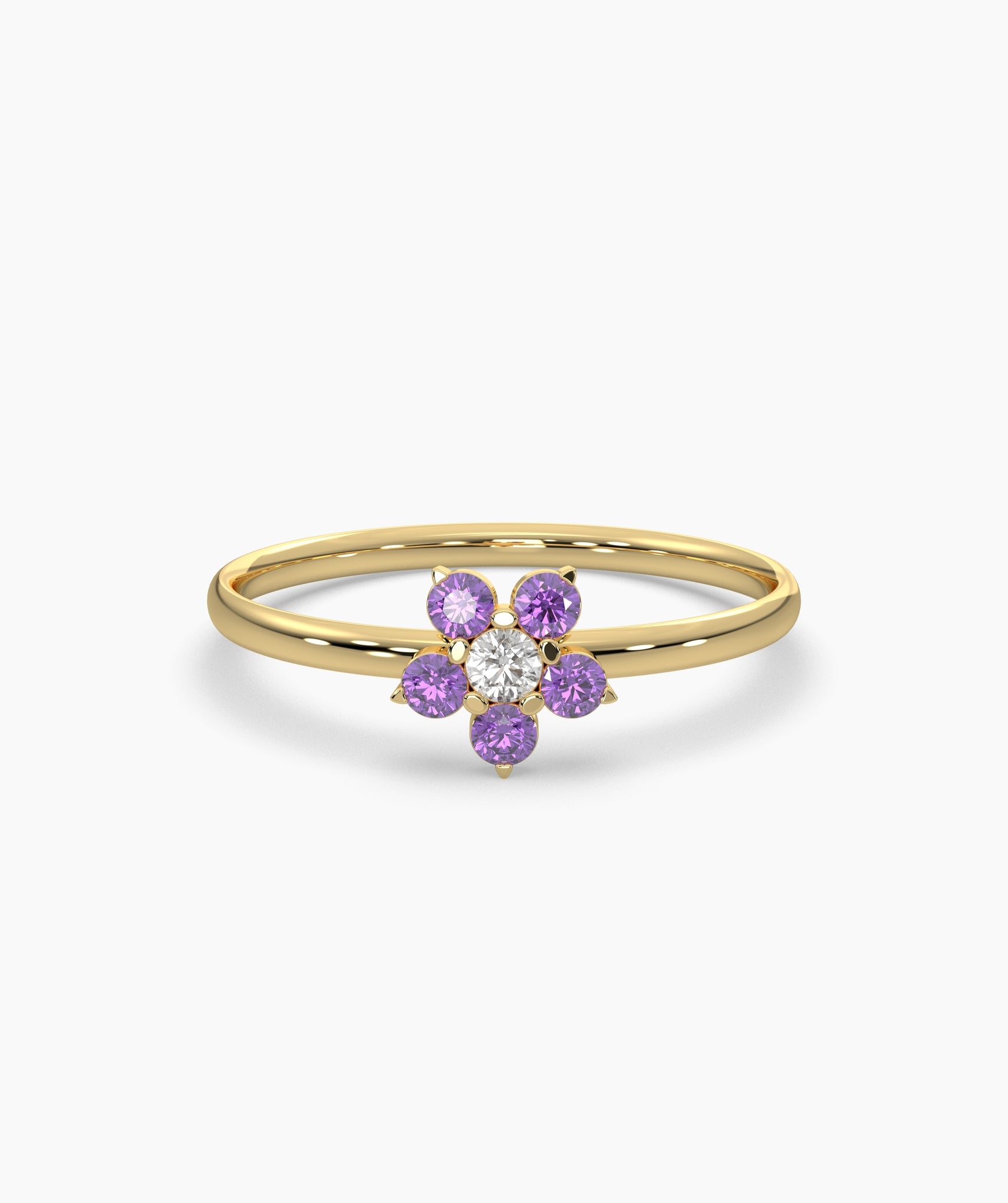
Pave Diamond Bow Stud Earrings with Baguette Drops
Show Now -
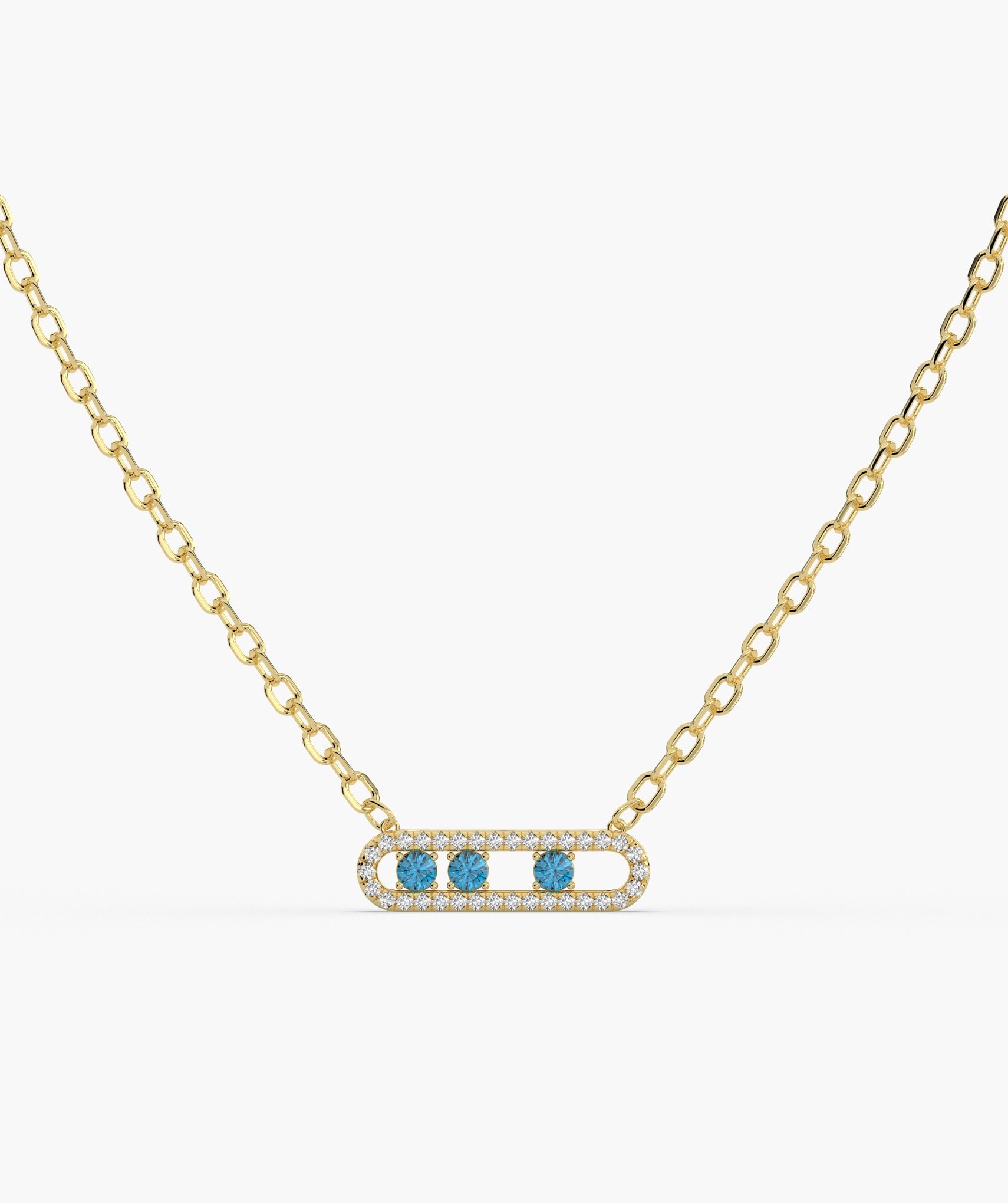
Movable Blue Diamond Open Bar Necklace
Show Now -

Emerald Halo Station Necklace
Show Now
FAQs
1. Why is Valentine’s Day considered problematic?
Because it promotes consumerism, emotional pressure, and unrealistic expectations that often overshadow genuine connection.
2. Is Valentine’s Day historically romantic?
Not entirely. Its origins include pagan rituals and martyrdom, making its history far darker than modern portrayals.
3. How does Valentine’s Day affect mental health?
It can increase feelings of loneliness, anxiety, and inadequacy, especially due to social comparison.
4. Are expensive gifts necessary to show love?
No. Thoughtful, meaningful gifts matter far more than price.
5. Why choose diamond jewelry over trendy gifts?
Diamonds last, carry emotional significance, and don’t end up as waste after a few weeks.
6. How does BESEEN align with conscious gifting?
BESEEN emphasizes quality, ethics, and timeless design, making each piece a lasting symbol of love.