

Birthstones by Month: The Complete Guide to Traditional & Modern Birthstones
Few things in the jewelry world feel as personal as a birthstone. Tied to the month you were born, these gemstones carry centuries of history, symbolism, and a kind of quiet magic that connects who you are to the natural world. Whether you're choosing a meaningful gift for someone you love or looking for a piece that feels distinctly yours, birthstones offer something rare in jewelry: a story that's already written for you.
But here's what most people don't realize: your birth month may actually have more than one gemstone associated with it. That's because birthstone lists have evolved over time, with both traditional and modern versions offering different options depending on history, culture, and the jewelry trade.
In this post, we'll walk through every month of the year, covering both the traditional and modern birthstones recognized in the world, their meanings, colors, origins, and the best ways to wear them.
A Brief History of Birthstones

The tradition of linking gemstones to specific months dates back thousands of years. Many scholars connect the concept to the Breastplate of Aaron described in the Book of Exodus, which featured twelve stones representing the twelve tribes of Israel.
Over time, those twelve stones became associated with the twelve months of the year and, eventually, with the individuals born in each month.
For centuries, birthstone lists varied from one region and culture to the next. The traditional list most recognized in the United States originated in Poland sometime between the 16th and 18th centuries, and it featured a mix of transparent and opaque gemstones tied to folklore and spiritual beliefs.
In 1912, the National Association of Jewelers (now Jewelers of America) standardized a modern birthstone list. While it added several transparent alternatives that were easier to facet for contemporary designs (like aquamarine), this list also retained popular opaque and organic gems like pearl, turquoise, and opal. The list has been updated a handful of times since alexandrite, citrine, tourmaline, and zircon were added in 1952, tanzanite in 2002, and spinel in 2016.
Today, people draw freely from both the traditional and modern lists, choosing whichever stone resonates most with their personal style and values.
Traditional vs. Modern Birthstones: What's the Difference?
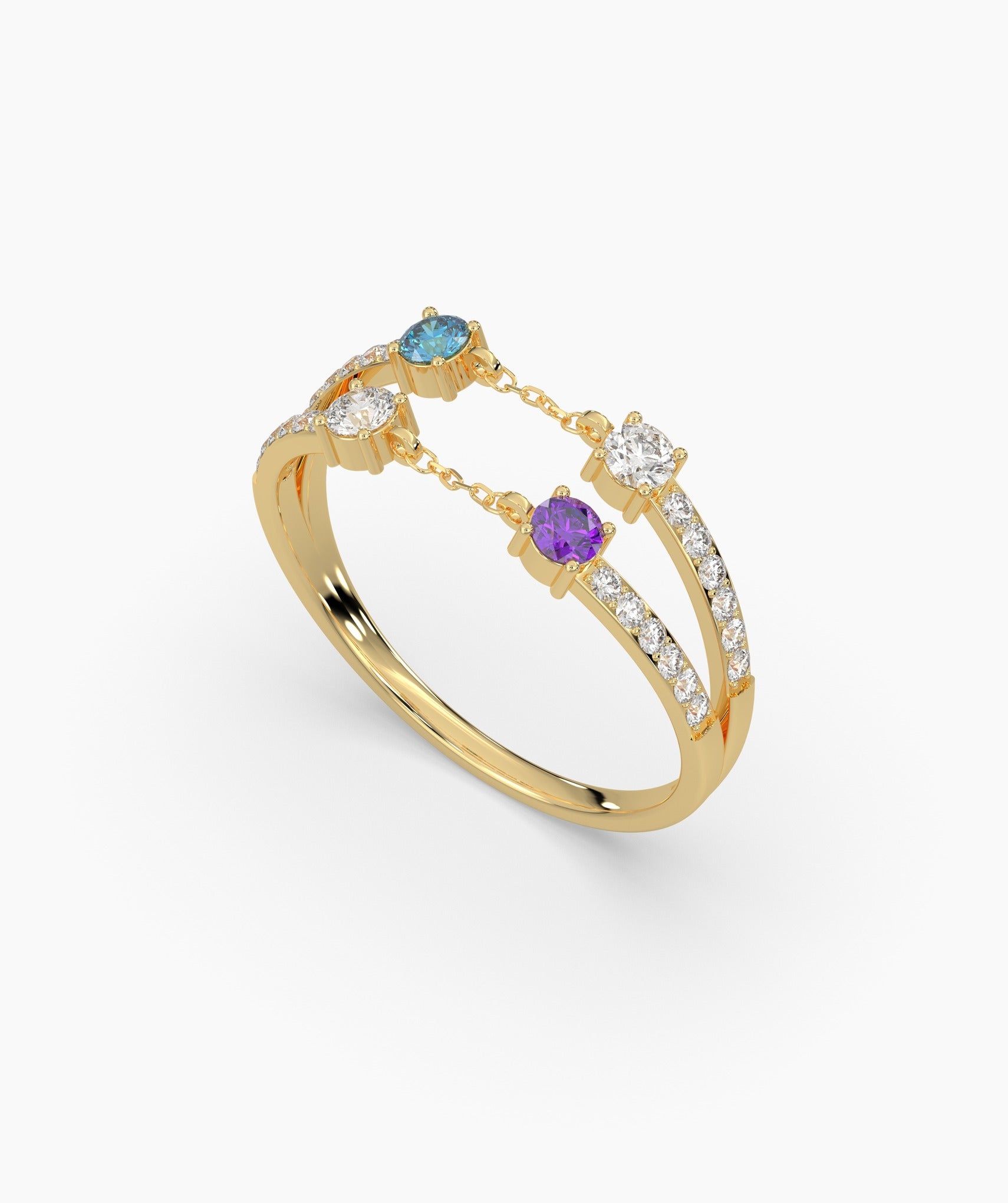
Before diving into each month, it helps to understand the two main birthstone systems:
Traditional birthstones are rooted in ancient customs, religious references, and regional folklore. They often include opaque and semi-precious stones like bloodstone, sardonyx, and turquoise, gems that held deep spiritual significance in earlier societies.
Modern birthstones were formalized for consistency and commercial appeal. They tend to feature transparent, faceted gems that work beautifully in modern jewelry settings, think aquamarine instead of bloodstone, or tourmaline alongside opal.
Neither list is "more correct" than the other. Many months share the same stone across both lists, while others offer different options, giving you the freedom to choose based on personal preference, style, or budget.
Complete Birthstone Chart: Traditional & Modern at a Glance
| Month | Modern Birthstone(s) | Traditional Birthstone(s) | Primary Color |
|---|---|---|---|
| January | Garnet | Garnet | Deep Red |
| February | Amethyst | Amethyst | Purple |
| March | Aquamarine | Bloodstone | Light Blue/Dark Green |
| April | Diamond | Diamond | Colorless |
| May | Emerald | Emerald | Green |
| June | Alexandrite, Moonstone | Pearl | Color-Changing/White |
| July | Ruby | Ruby | Red |
| August | Peridot, Spinel | Sardonyx | Green/Multi |
| September | Sapphire | Sapphire | Blue |
| October | Tourmaline | Opal | Multi/Multi |
| November | Topaz (Golden), Citrine | Topaz | Golden/Yellow |
| December | Tanzanite, Zircon, Blue Topaz | Turquoise | Blue/Blue-Green |
Month-by-Month Birthstone
January - Garnet
Modern Birthstone: Garnet
Traditional Birthstone: Garnet
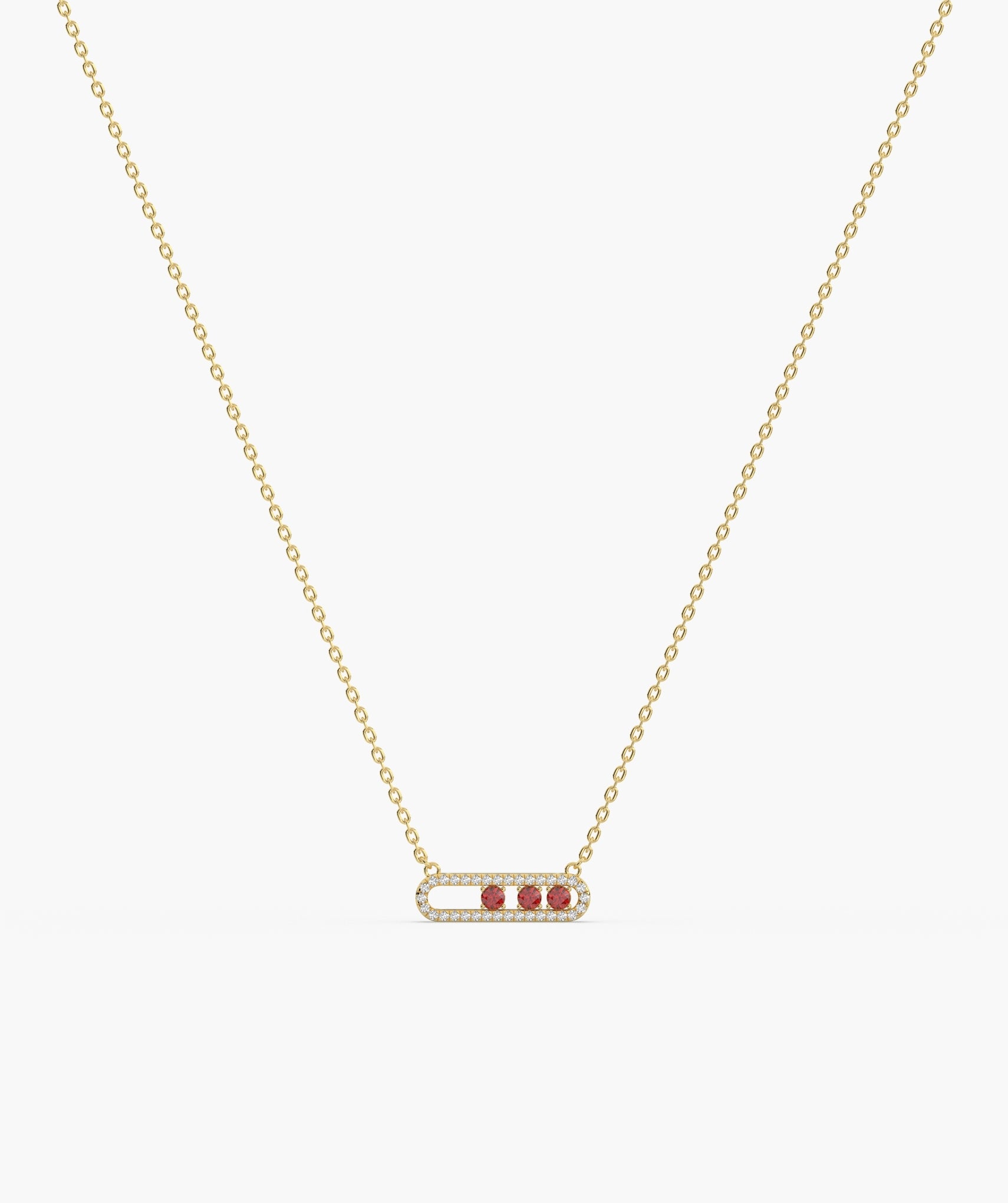
January's birthstone is one of the few that appear on both the traditional and modern lists without variation. Garnet is most commonly known for its deep, rich red hue, but this remarkably diverse gemstone actually comes in nearly every color, from fiery oranges and warm pinks to rare greens and even color-changing varieties.
The name "garnet" derives from the Latin word granatus, meaning "seed-like," because the raw crystals resemble pomegranate seeds. Ancient civilizations, from the Egyptians to the Romans, prized garnets for their beauty and believed them to offer protection, particularly for travelers venturing through the night.
Symbolism: Protection, strength, passion, vitality, and loyalty.
Colors: Deep red (most common), orange, pink, green, purple, and rare blue.
Mohs Hardness: 6.5–7.5
Wedding Anniversary: 2nd
How to wear it:
Garnet's rich warmth makes it a stunning choice for winter jewelry. A deep red garnet pendant or ring adds a bold yet sophisticated touch to any outfit. For those who prefer something unexpected, look for the rarer green tsavorite or mandarin orange varieties.
If you're searching for garnet jewelry that balances elegance with everyday wearability, BESEEN Jewelry's birthstone collection offers handcrafted 14K gold pieces featuring beautiful gemstones, perfect for celebrating a January birthday or simply adding a meaningful piece to your collection.
February - Amethyst
Modern Birthstone: Amethyst
Traditional Birthstone: Amethyst
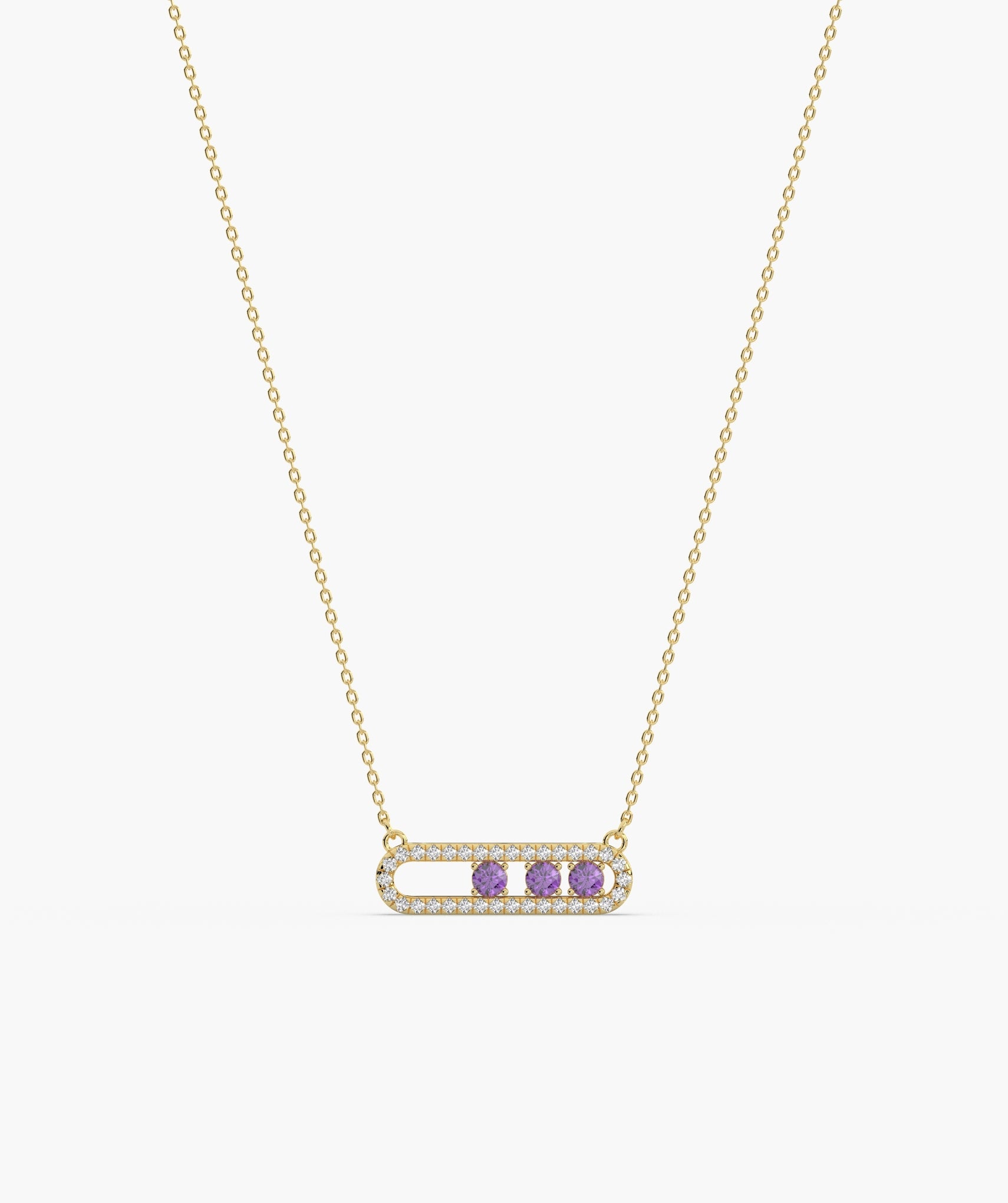
Like garnet, amethyst holds its place across both birthstone lists. This stunning purple variety of quartz ranges from pale lilac to deep, saturated violet, and it has been a favorite of royalty for centuries.
Ancient Greeks believed amethyst could prevent intoxication. In fact, the name comes from the Greek word amethystos, meaning "sober." It was a stone of the ruling class, and at various points in history, fine amethyst was valued as highly as diamonds.
Today, new deposits have made it more accessible, but its association with clarity, calm, and spiritual wisdom remains strong.
Symbolism: Peace, clarity, courage, spiritual awareness, and wisdom.
Colors: Pale lilac to deep reddish-purple.
Mohs Hardness: 7
Wedding Anniversary: 6th and 17th
How to wear it:
Amethyst is incredibly versatile. Its purple hues complement both warm and cool skin tones, and the stone looks equally beautiful in minimalist stud earrings or a statement cocktail ring. With a hardness of 7, it's scratch-resistant enough for daily wear.
March - Aquamarine & Bloodstone
Modern Birthstone: Aquamarine
Traditional Birthstone: Bloodstone
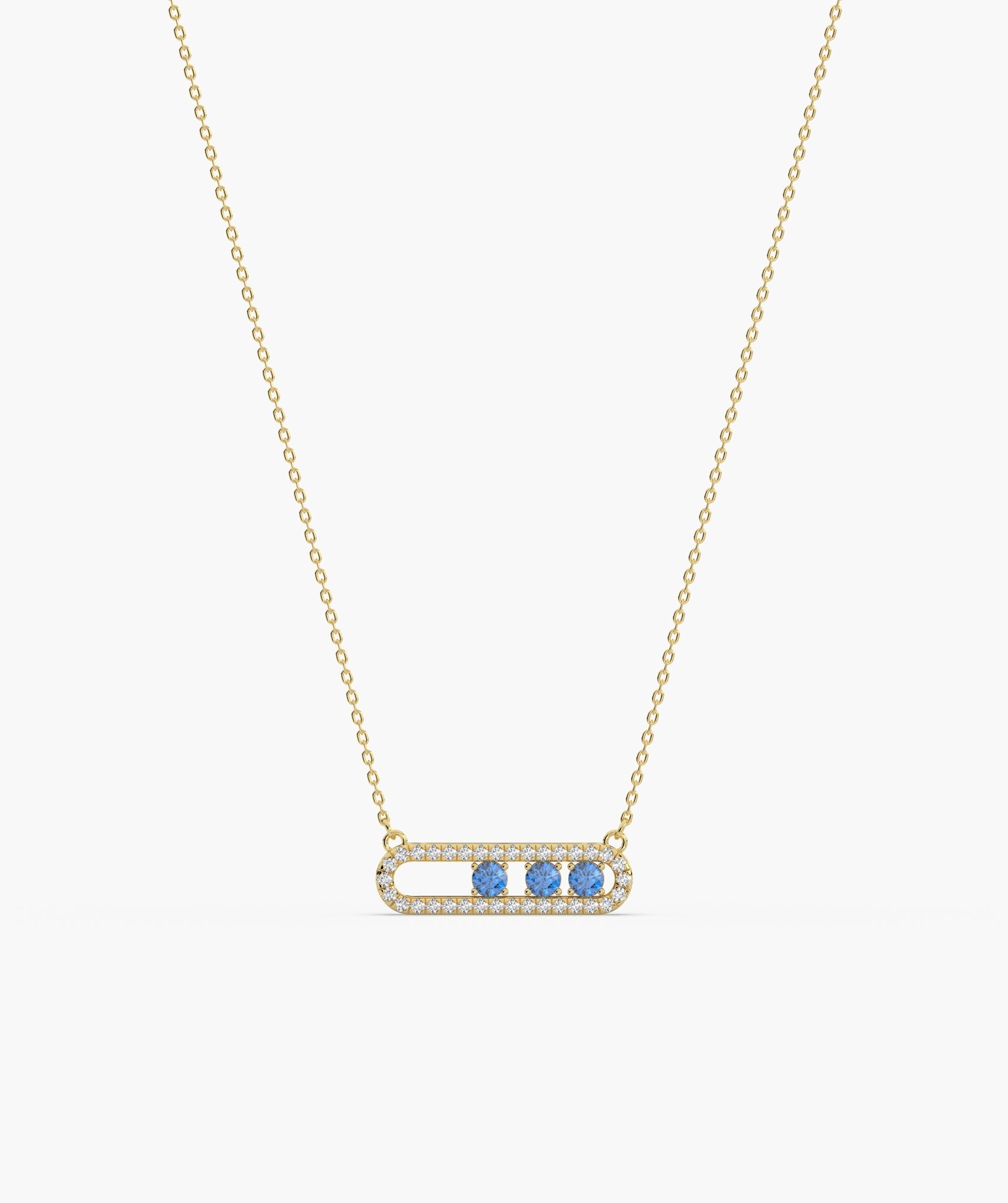
March is one of those months where the traditional and modern lists diverge beautifully. The modern stone, aquamarine, is a pale blue to blue-green member of the beryl family, the same mineral family as emerald. Its name comes from the Latin words aqua (water) and marina (sea), and it's easy to see why: this gem evokes the serenity of calm ocean waters and clear skies.
Ancient sailors carried aquamarine as a talisman for protection at sea. Today, it's associated with courage, clarity of communication, and tranquility.
The traditional March birthstone, bloodstone, is a very different gem. This dark green chalcedony is flecked with vivid red spots of iron oxide, which ancient peoples believed represented drops of Christ's blood. Bloodstone was worn as a healing amulet and a symbol of courage and strength.
Aquamarine Symbolism: Serenity, courage, communication, and youth.
Aquamarine Colors: Light blue to blue-green.
Aquamarine Mohs Hardness: 7.5–8
Bloodstone Symbolism: Courage, strength, vitality, and healing.
Bloodstone Colors: Dark green with red flecks.
Bloodstone Mohs Hardness: 6.5–7
Wedding Anniversary: 19th (Aquamarine)
How to wear it:
Aquamarine's soft blue tones look stunning in delicate necklaces and dainty rings, especially when set in white or yellow gold. It's an excellent stone for layering. If you're drawn to something more earthy and bold, bloodstone makes a powerful statement in chunky rings or men's jewelry.
April - Diamond
Modern Birthstone: Diamond
Traditional Birthstone: Diamond
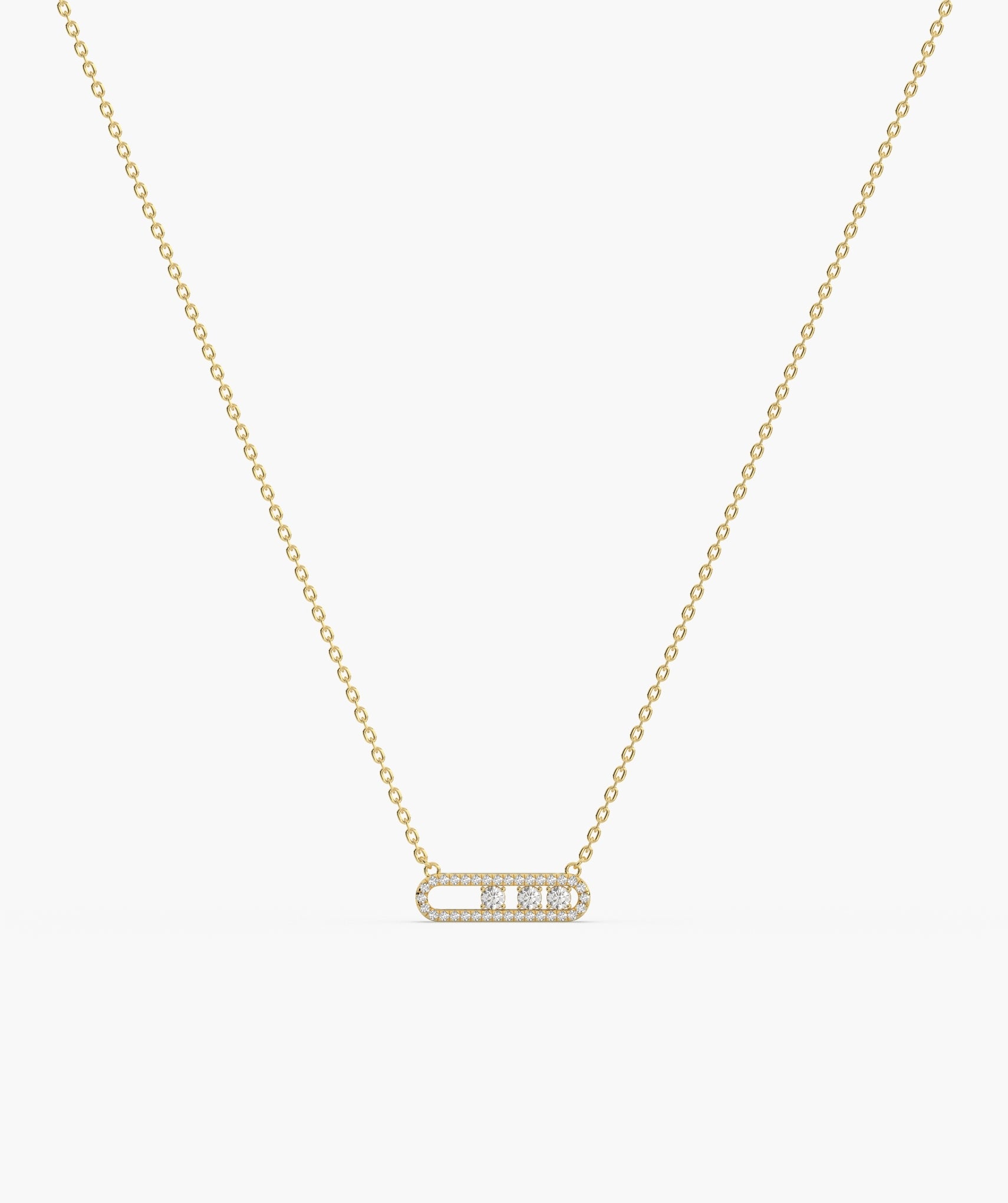
April babies are lucky enough to claim the world's most coveted gemstone. The diamond needs little introduction, it's the hardest natural substance on Earth (10 on the Mohs scale), a universal symbol of eternal love, and one of the most brilliant stones known to humanity.
Diamonds form deep beneath the Earth's surface under extraordinary heat and pressure, a process that takes billions of years. In Sanskrit, the diamond is called vajra, meaning "lightning," and in Hindu mythology, it was believed to be the weapon of Indra, king of the gods. Ancient Romans and Greeks thought diamonds were tears of the gods or splinters from falling stars.
Symbolism: Eternal love, strength, clarity, courage, and invincibility.
Colors: Colorless (most popular), plus yellow, blue, pink, green, brown, and black.
Mohs Hardness: 10
Wedding Anniversary: 60th and 75th
How to wear it:
Diamonds are truly for every occasion, from solitaire pendants for everyday elegance to diamond-accented stacking rings. The key is quality craftsmanship.
BESEEN Jewelry specializes in 14K solid gold diamond pieces, from delicate diamond necklaces to sparkling stud earrings, all handcrafted with natural diamonds. The designs strike a beautiful balance between timeless sophistication and modern minimalism, making them ideal for April birthstone gifts or everyday luxury.
May - Emerald
Modern Birthstone: Emerald
Traditional Birthstone: Emerald
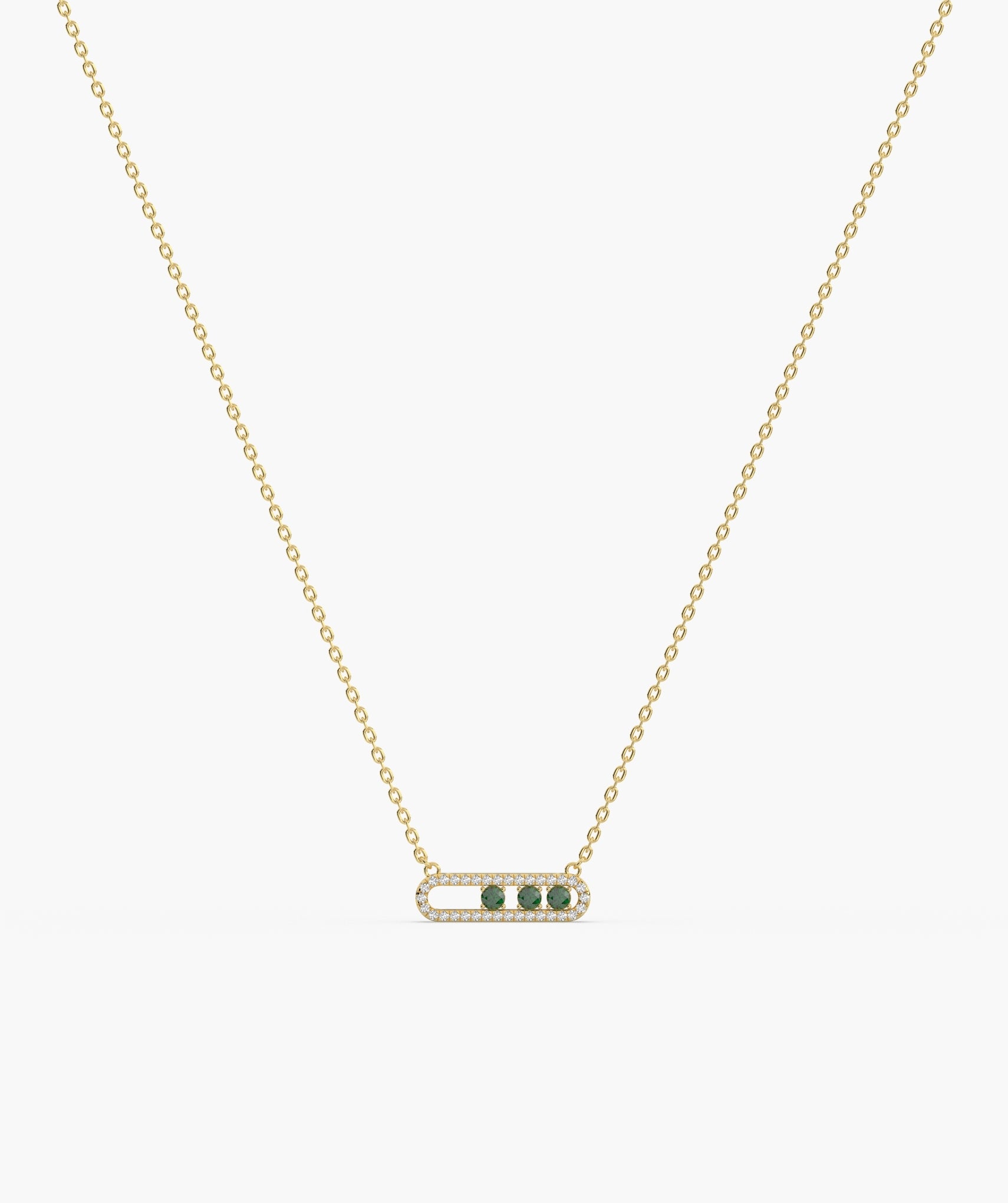
Emerald is another birthstone that appears on both lists. Part of the "Big Four" alongside diamonds, rubies, and sapphires, emerald's lush green color has been treasured by civilizations from ancient Egypt (Cleopatra was famously obsessed with emeralds) to the Mughal emperors of India.
The vivid green comes from trace amounts of chromium and sometimes vanadium within the beryl mineral. Unlike many other gems, emeralds are expected to contain natural inclusions, called jardin (French for "garden"), which give each stone a unique fingerprint.
Symbolism: Rebirth, love, wisdom, growth, fertility, and patience.
Colors: Vivid green to blue-green.
Mohs Hardness: 7.5–8
Wedding Anniversary: 20th and 35th
How to wear it:
Emerald pairs beautifully with both gold and rose gold settings. A single emerald pendant or a pair of emerald stud earrings makes a refined statement. Because emeralds can be more delicate, they work best in protective settings like bezel or halo designs.
For those looking for emerald-accented jewelry, BESEEN's gemstone collection includes emerald pieces set in 14K gold, designed to be worn daily without sacrificing elegance.
June - Pearl, Alexandrite & Moonstone
Modern Birthstone: Alexandrite, Moonstone
Traditional Birthstone: Pearl
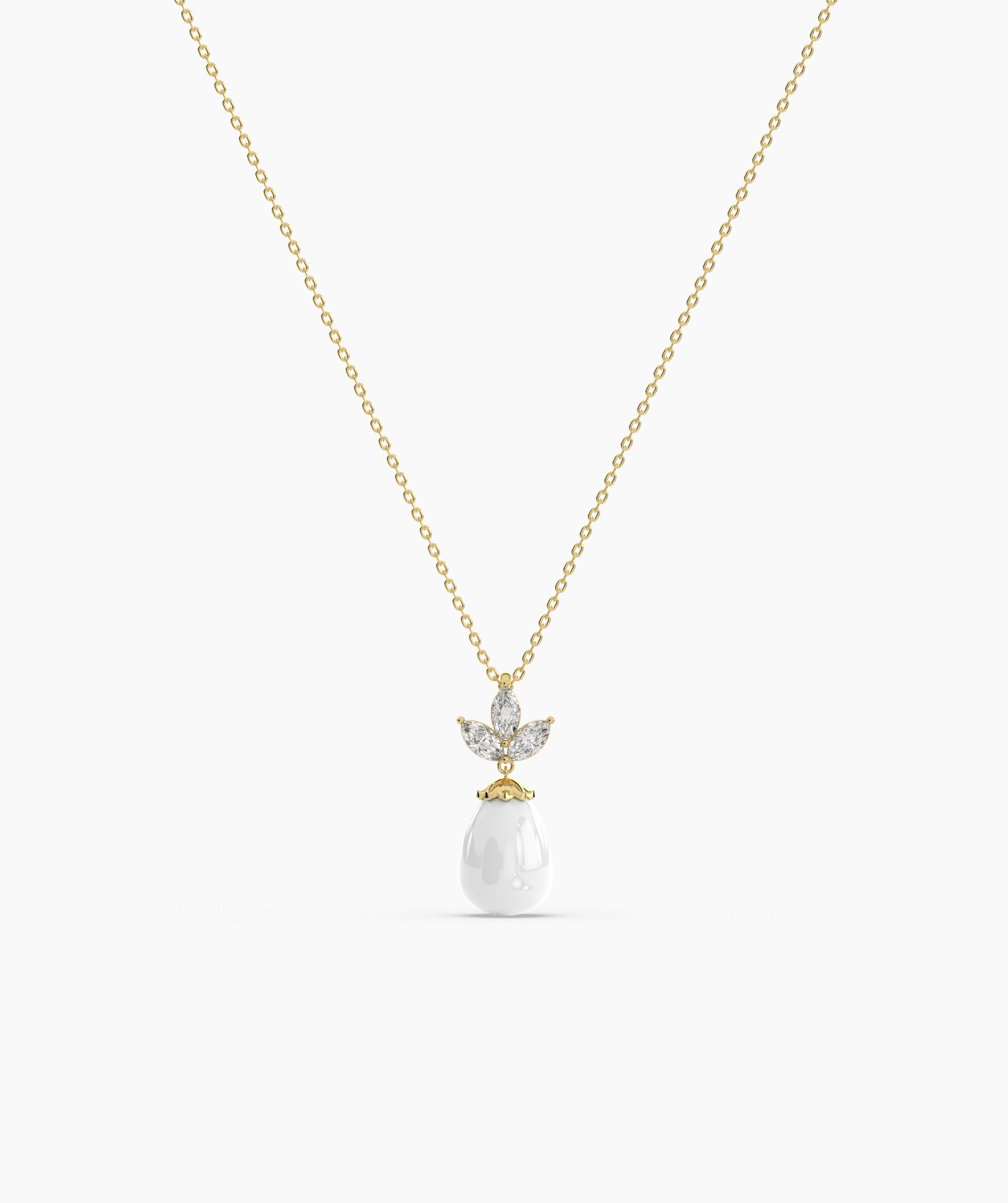
June is one of the most generously endowed months when it comes to birthstones, offering three distinct and beautiful options.
Pearl is the traditional stone and one of the few organic gems formed within a living creature (alongside others like coral). Oysters and mollusks create pearls by layering nacre around an irritant, producing a luminous, organic gem that has symbolized purity and wisdom for millennia. Ancient Greeks believed pearls were the hardened tears of joy from Aphrodite, goddess of love.
Alexandrite is the rarest and most valuable of June's birthstones. Discovered in Russia's Ural Mountains in the 1830s, it's famous for its extraordinary ability to change color, appearing green in daylight and red under incandescent light. It's often poetically called "emerald by day, ruby by night."
Moonstone rounds out the trio with its ethereal, milky glow (called adularescence). This gem has been connected to lunar energy, intuition, and feminine power across Hindu, Roman, and Greek mythology.
Pearl Symbolism: Purity, innocence, wisdom, and loyalty.
Alexandrite Symbolism: Adaptability, transformation, and balance.
Moonstone Symbolism: Intuition, new beginnings, and feminine energy.
Pearl Colors: White, cream, black, gold, silver, and pastels.
Mohs Hardness: Pearl 2.5–4.5 | Alexandrite 8.5 | Moonstone 6–6.5
How to wear it:
Pearls are timeless in any setting, from classic pearl studs to modern baroque pearl pendants. BESEEN Jewelry's pearl collection features gorgeous 14K gold pearl necklaces, earrings, and bracelets that bring a contemporary twist to this classic gem.
July - Ruby
Modern Birthstone: Ruby
Traditional Birthstone: Ruby
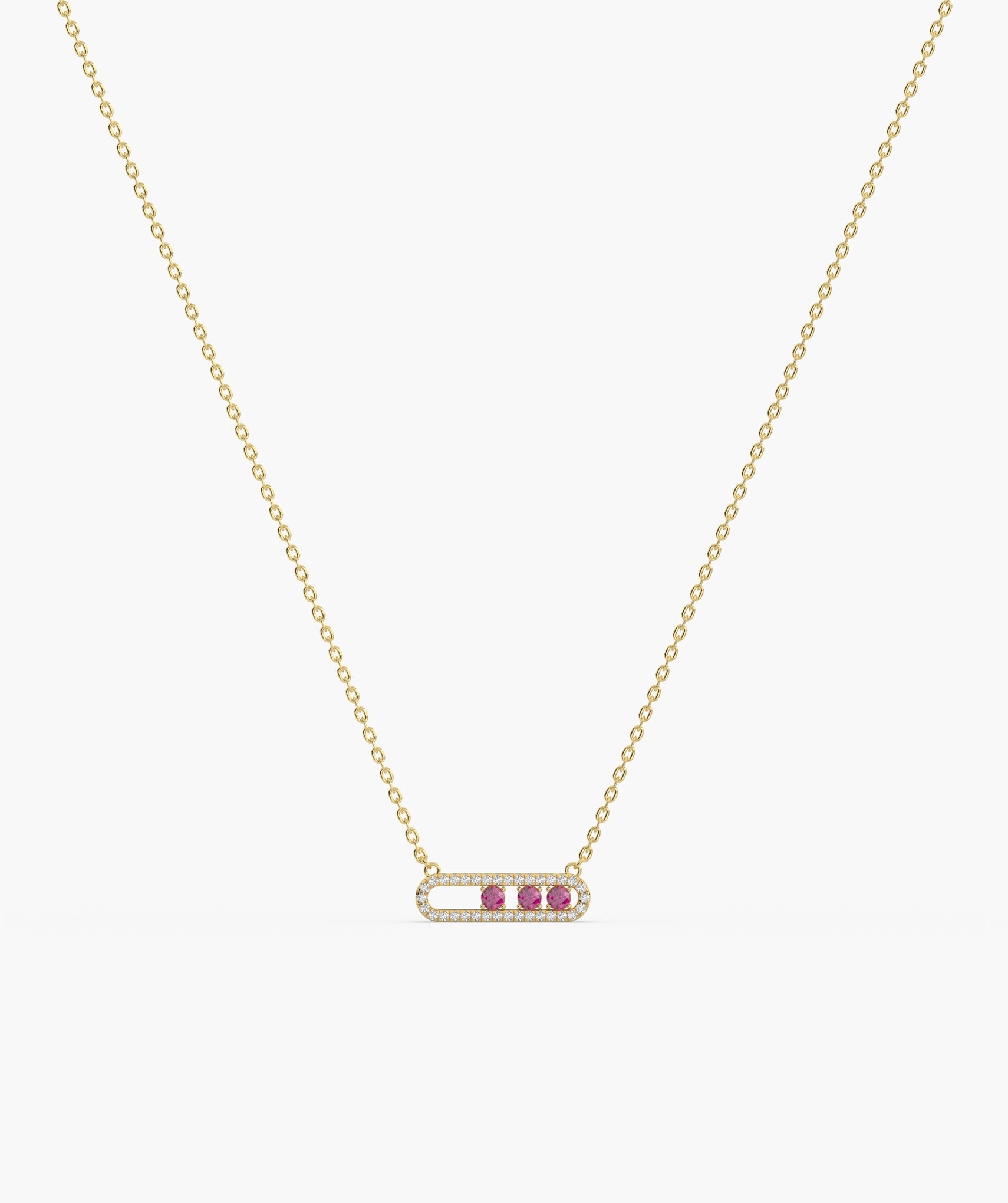
Ruby holds its place on both lists, and with good reason, it's one of the most precious and historically significant gemstones in the world. Ancient Hindus regarded it as ratnaraj, meaning "king of precious stones," and believed it protected the wearer from evil and misfortune.
A variety of the mineral corundum (the same family as sapphire), ruby gets its intense red color from the element chromium. The most prized rubies display a pure, vibrant red sometimes called "pigeon blood." Throughout history, rubies have been associated with passion, power, and prosperity, and they've adorned the crowns and amulets of kings and warriors alike.
Symbolism: Passion, love, protection, courage, and prosperity.
Colors: Red, from pinkish-red to deep crimson. The finest stones show a vivid, saturated red.
Mohs Hardness: 9
Wedding Anniversary: 15th and 40th
How to wear it:
A ruby makes a bold, unforgettable statement in any piece, from delicate solitaire pendants to accent stones alongside diamonds. Its exceptional hardness (second only to diamond) makes it perfect for everyday rings and bracelets.
August - Peridot, Spinel & Sardonyx
Modern Birthstone: Peridot, Spinel
Traditional Birthstone: Sardonyx
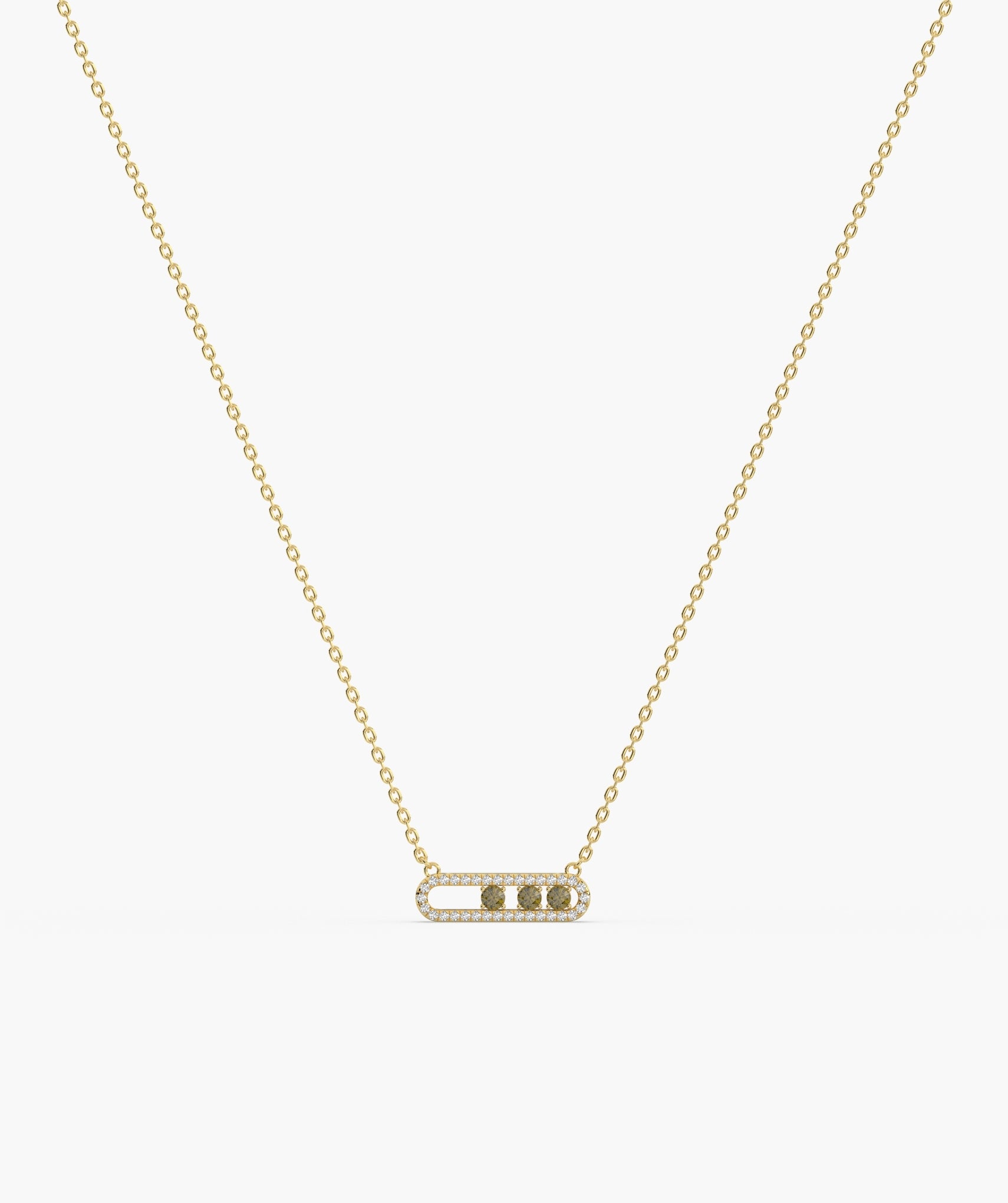
August offers a wonderful variety of birthstone options spanning both the traditional and modern lists.
Peridot is the most widely recognized August birthstone. This bright, lime-green gem forms deep within the Earth's mantle and is sometimes found in meteorites. Ancient Egyptians called it "the gem of the sun" and believed it protected the wearer from nighttime terrors. Its vivid yellow-green hue is entirely natural, peridot is one of the few gems that comes in only one color, though shades range from yellowish-green to olive.
Spinel was added to August's modern list in 2016 by the Jewelers of America. For centuries, spinel was often mistaken for ruby, several famous "rubies" in royal crown jewels are actually spinels. Available in a stunning range of colors from vivid red to cobalt blue to hot pink, spinel is increasingly prized by collectors and gem enthusiasts.
Sardonyx, the traditional stone, is a banded variety of chalcedony featuring alternating layers of reddish-brown sard and white onyx. It was a favorite of Roman soldiers, who wore it engraved with images of Mars for courage in battle.
Peridot Symbolism: Strength, prosperity, happiness, and protection.
Spinel Symbolism: Revitalization, energy, and resilience.
Sardonyx Symbolism: Courage, strength, and communication.
Peridot Colors: Yellow-green to olive green.
Spinel Colors: Red, pink, blue, violet, and more.
Mohs Hardness: Peridot 6.5–7 | Spinel 8 | Sardonyx 6.5–7"
How to wear it:
Peridot's cheerful green makes it a wonderful summer stone, perfect for lightweight necklaces and stacking rings. Spinel offers incredible versatility with its color range and excellent durability (8 on the Mohs scale), making it a fantastic choice for everyday jewelry.
September - Sapphire
Modern Birthstone: Sapphire
Traditional Birthstone: Sapphire
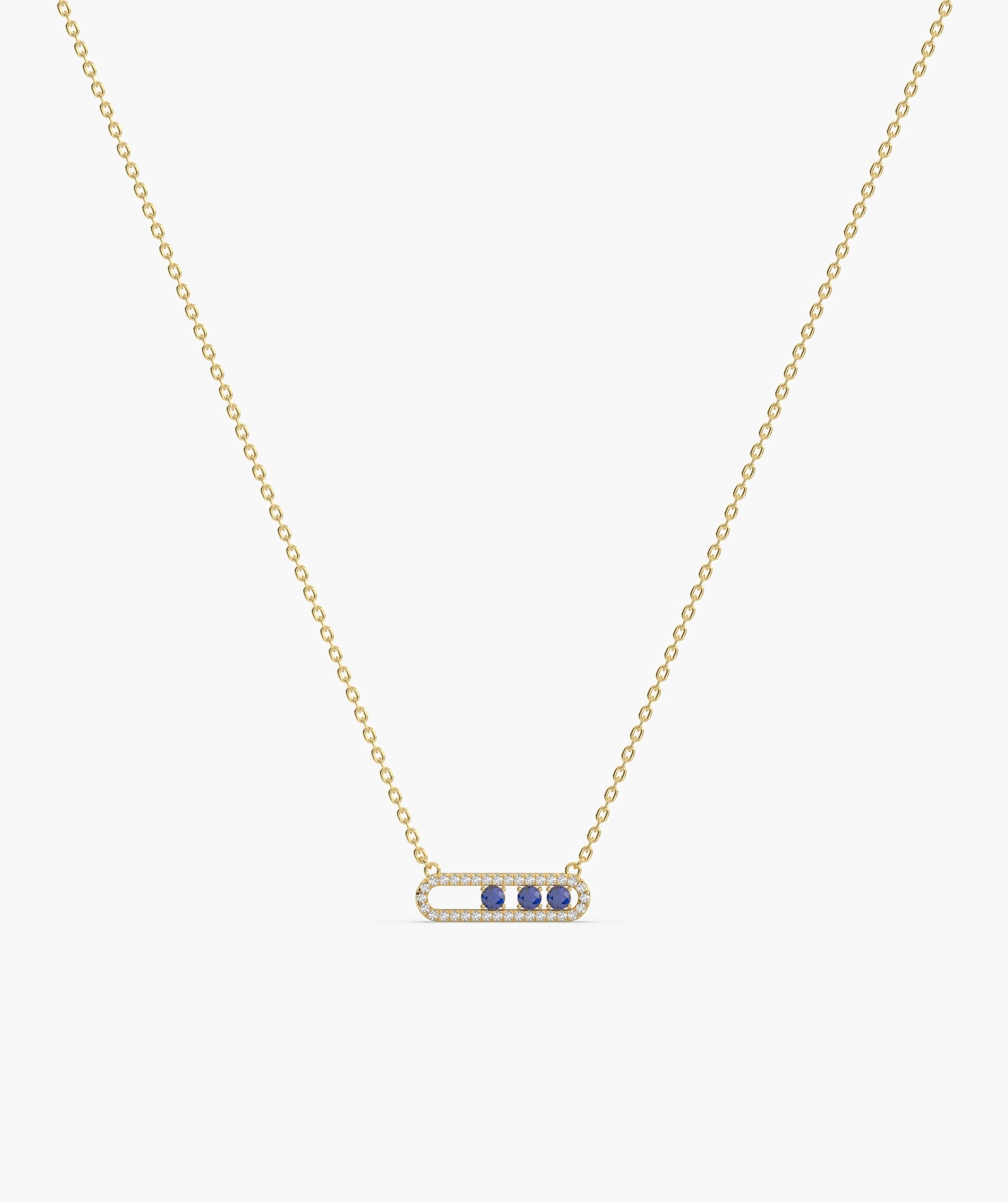
Sapphire has represented September across birthstone traditions for centuries. Most people picture the classic deep blue when they think of sapphire, but this corundum-family gem actually occurs in virtually every color, pink, yellow, orange (the stunning padparadscha), green, and even colorless. The only color you won't find in a sapphire is red, because red corundum is classified as ruby.
Throughout history, sapphire has been associated with royalty, wisdom, and divine favor. Medieval clergy wore sapphires to symbolize heaven, and ancient Persians believed the Earth rested on a giant sapphire whose reflection colored the sky.
Symbolism: Wisdom, loyalty, nobility, truth, and sincerity.
Colors: Blue (most iconic), pink, yellow, orange, green, white, and more.
Mohs Hardness: 9
Wedding Anniversary: 5th and 45th
How to wear it:
A sapphire is an investment piece. Classic blue sapphire pendants and earrings are timeless, while pink or yellow sapphires offer a contemporary alternative. With a hardness of 9, sapphire is extremely durable for everyday rings and bracelets.
October - Opal & Tourmaline
Modern Birthstone: Tourmaline
Traditional Birthstone: Opal
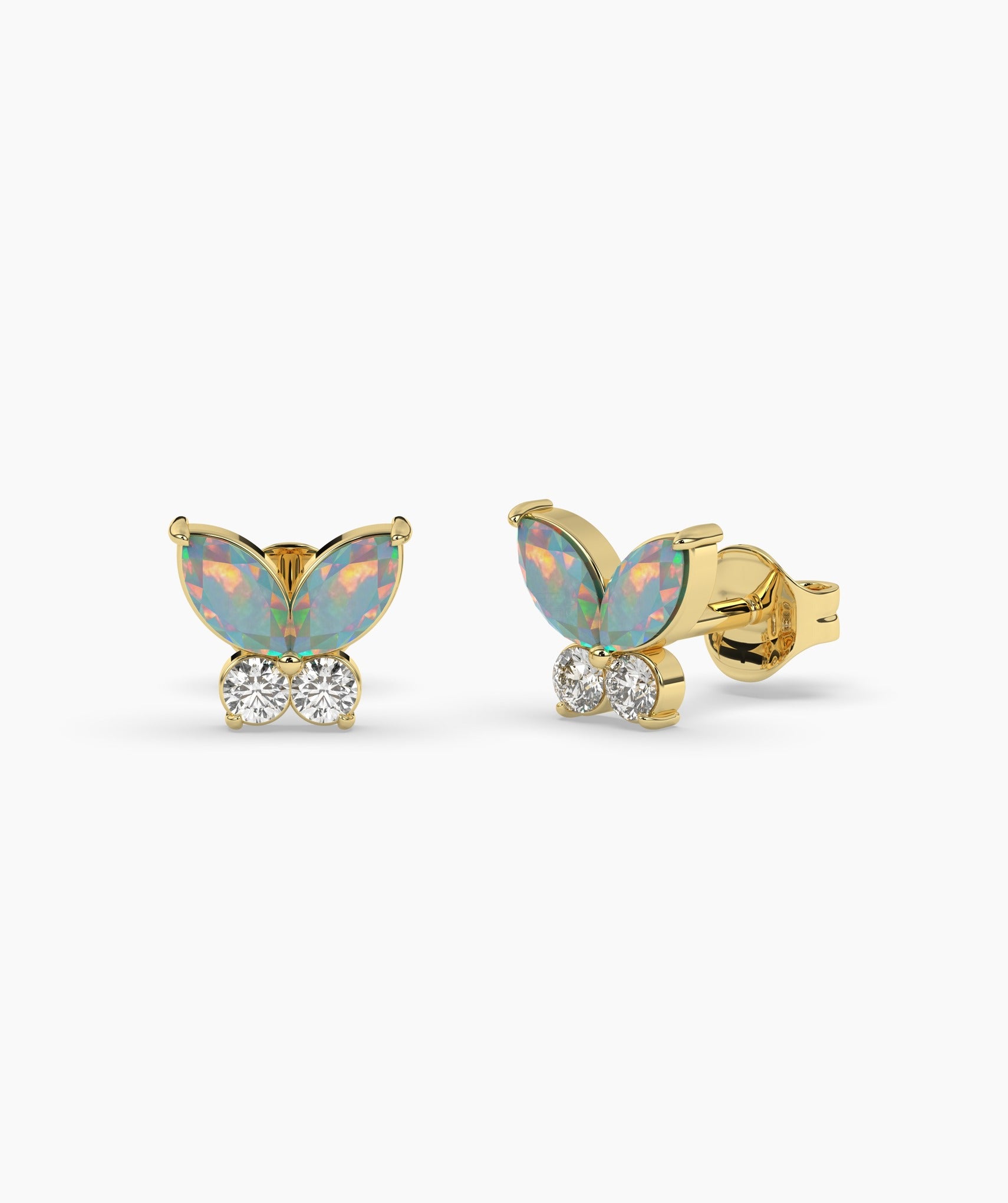
October's birthstones are both known for their extraordinary range of colors.
Opal is the traditional stone, and it's unlike any other gem. Rather than a single hue, precious opal displays a mesmerizing play of color, flashes of rainbow light that shift and dance as the stone moves. Ancient Romans considered opal the most precious of all gems because it contained the colors of every other stone. Its internal fire comes from microscopic silica spheres that diffract light.
Tourmaline, the modern birthstone, is one of the most color-diverse minerals on Earth. It comes in virtually every color of the spectrum, from watermelon (pink and green in one crystal) to the highly prized electric neon blue Paraíba tourmaline. This variety makes tourmaline an incredibly personal choice.
Opal Symbolism: Creativity, inspiration, imagination, and hope.
Tourmaline Symbolism: Healing, joy, creativity, and individuality.
Opal Colors: Multi-color play of light (white, black, fire opal).
Tourmaline Colors: Every color imaginable.
Opal Mohs Hardness: 5.5–6.5 | Tourmaline 7–7.5
How to wear it:
Opal is softer and requires more care, it's best in pendants, earrings, and protective ring settings rather than everyday bands. Tourmaline's greater durability makes it suitable for all jewelry types. Both stones make gorgeous statement pendants.
November - Topaz & Citrine
Modern Birthstone: Topaz (Golden), Citrine
Traditional Birthstone: Topaz
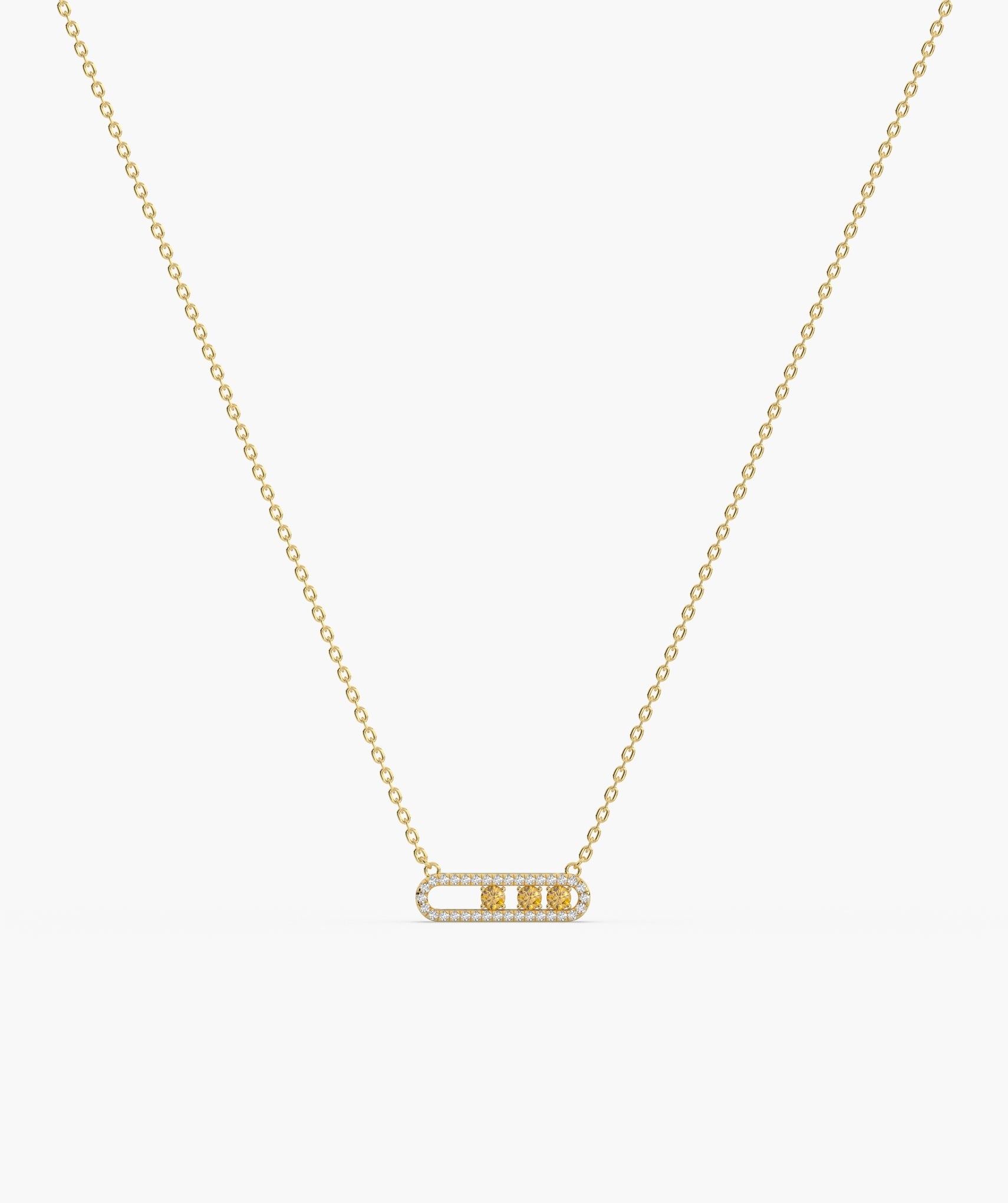
November offers two warm-toned gems that perfectly capture the golden warmth of autumn.
Topaz in its traditional form refers to the golden or orange variety, though topaz actually occurs in a wide range of colors including blue, pink, and colorless. The most valued variety is Imperial Topaz, a rich orange with pink undertones that was originally discovered in Russia but is now almost exclusively mined in Brazil. The name likely comes from Topazios, the ancient Greek name for an island in the Red Sea.
Citrine is the sunny alternative, a golden-yellow to orange variety of quartz that has been called "the merchant's stone" for its association with prosperity and success. Natural citrine is actually quite rare; much of what's sold commercially is heat-treated amethyst. Its warm, honeyed glow makes it one of the most affordable and cheerful gemstones available.
Topaz Symbolism: Strength, confidence, honor, and generosity.
Citrine Symbolism: Happiness, abundance, prosperity, and positive energy.
Topaz Colors: Golden, orange, blue, pink, and colorless.
Citrine Colors: Pale yellow to deep amber-orange.
Topaz Mohs Hardness: 8 | Citrine 7
How to wear it:
Both stones bring warmth to fall and winter wardrobes. Golden topaz and citrine look particularly stunning in yellow or rose gold settings. A citrine pendant or topaz ring makes a beautiful November birthday gift that won't break the bank.
December - Tanzanite, Turquoise, Zircon & Blue Topaz
Modern Birthstone: Tanzanite, Zircon, Blue Topaz
Traditional Birthstone: Turquoise
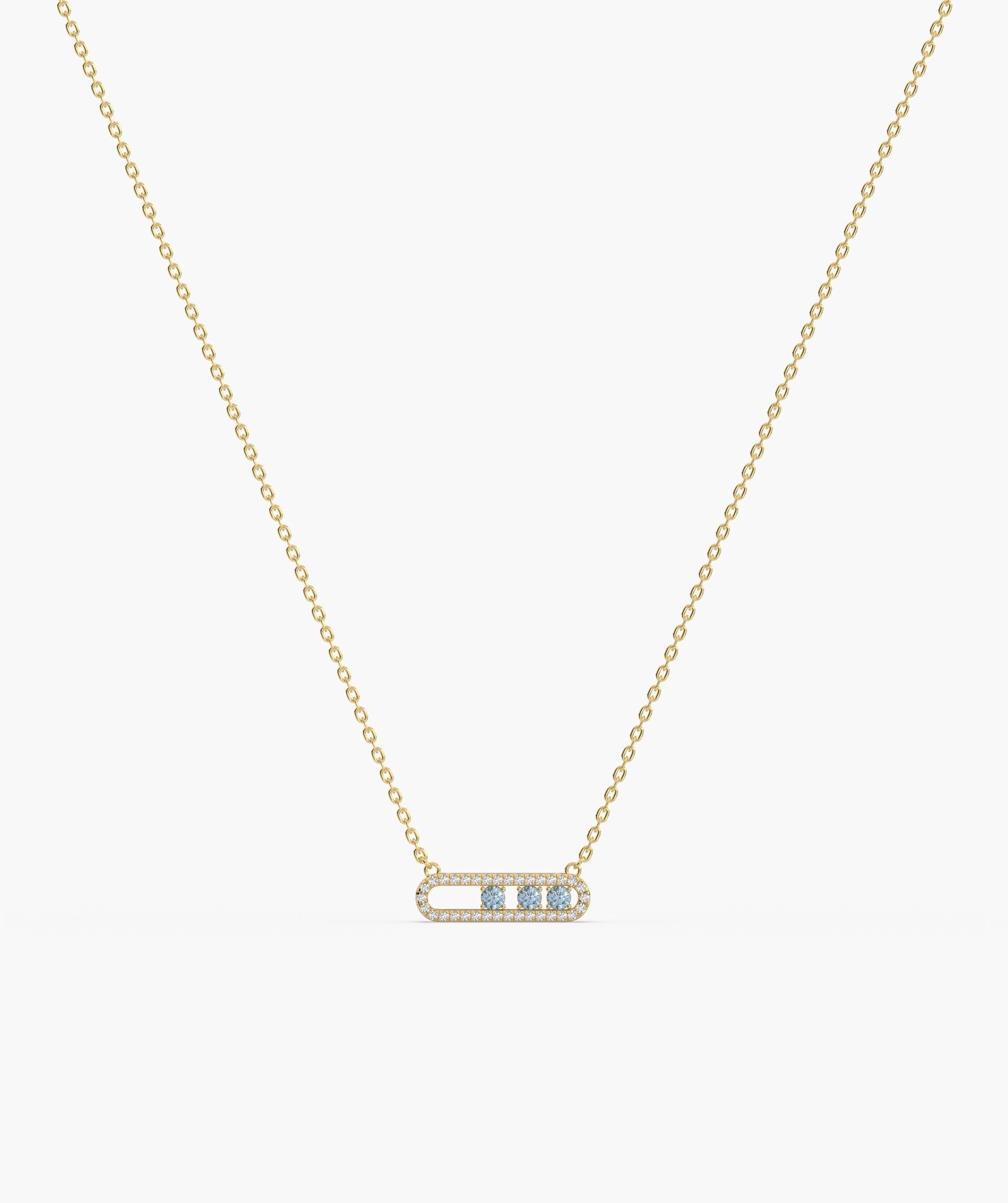
December is the most gem-rich month on the calendar, with four recognized birthstones spanning traditional and modern lists.
Turquoise is an ancient traditional stone, and one of the oldest known gemstones in human history. The Egyptians mined turquoise over 6,000 years ago, and it was considered sacred by Native American cultures, Persians, and Tibetans. Its distinctive robin's-egg blue (often with dark veining called "matrix") makes it instantly recognizable.
Tanzanite is one of the newest additions to the birthstone chart, added in 2002. Found in only one place on Earth, near Mount Kilimanjaro in Tanzania, this vivid violet-blue gem was discovered in 1967 and popularized by Tiffany & Co. Its rarity and stunning color saturation make it highly sought after.
Zircon (not to be confused with cubic zirconia, which is a synthetic material) is a naturally occurring gemstone that has been used in jewelry for centuries. Blue zircon is the most popular December variety, displaying exceptional brilliance and fire.
Blue Topaz rounds out the modern options with its cool, icy blue tones, a widely available and affordable alternative that works beautifully in all types of jewelry.
Turquoise Symbolism: Protection, good fortune, wisdom, and tranquility.
Tanzanite Symbolism: Transformation, spiritual awareness, and calm.
Zircon Symbolism: Prosperity, honor, and wisdom.
Blue Topaz Symbolism: Communication, calm, and clarity.
Turquoise Colors: Sky blue to green-blue (often with matrix).
Tanzanite Colors: Violet-blue to blue-purple.
Mohs Hardness: Turquoise 5–6 | Tanzanite 6–7 | Zircon 6–7.5 | Blue Topaz 8
How to wear it:
Turquoise makes a beautiful statement in boho-inspired and southwestern jewelry. Tanzanite's violet-blue shines in elegant pendants and earrings, especially in white gold or platinum settings. Blue zircon and blue topaz are brilliant everyday options that pair perfectly with any style.
Why Birthstone Jewelry Makes the Perfect Gift
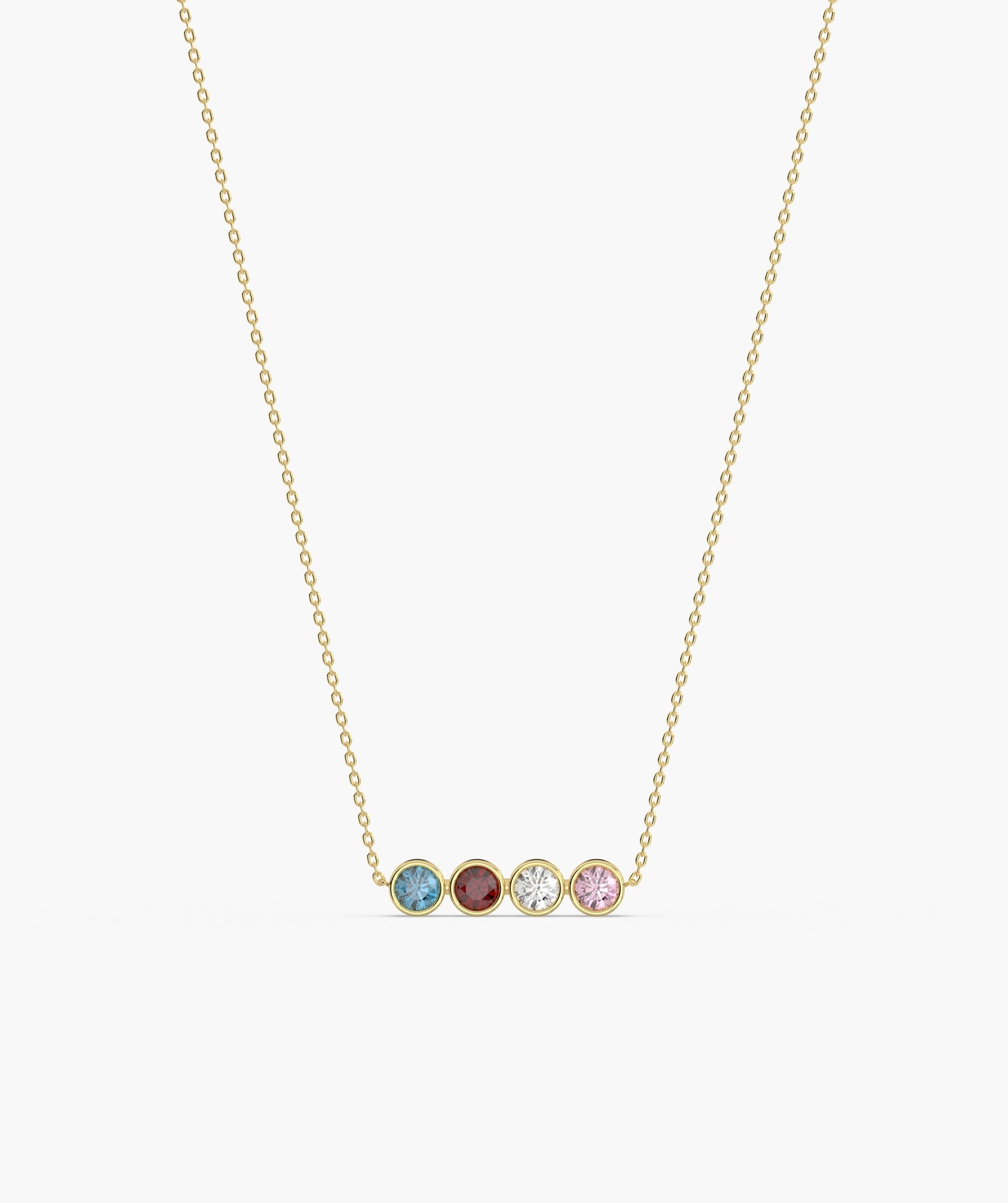
There's a reason birthstone jewelry has remained popular for centuries, it's inherently personal. Unlike a generic piece, a birthstone gift says "I know you, and this was chosen just for you." That emotional resonance is what transforms a beautiful necklace or ring into a treasured keepsake.
Birthstone jewelry works for virtually every occasion: birthdays (obviously), Mother's Day gifts featuring children's birthstones, anniversary celebrations, graduation milestones, or simply a treat-yourself moment. Many people also love stacking multiple birthstones, their own alongside those of partners, children, or close friends, creating a piece that tells a family's story.
The key is finding pieces that are crafted with care and built to last. Mass-produced birthstone jewelry often cuts corners on metal quality and stone sourcing, resulting in pieces that tarnish, irritate skin, or lose their sparkle.
This is where BESEEN Jewelry stands apart. Every BESEEN birthstone piece is handcrafted in certified 14K solid gold (available in yellow, white, and rose gold), featuring carefully selected natural gemstones. BESEEN makes it easy to invest in birthstone jewelry that you'll actually wear every day.
The collection spans all twelve birthstones across multiple jewelry types:
- Birthstone Necklaces: From minimalist solitaire pendants to multi-stone layering pieces, all in 14K gold.
- Birthstone Bracelets: Delicate chain bracelets featuring your birth month gem, perfect for stacking.
- Birthstone Earrings: Studs and drops that add a personal touch to any look.
- Birthstone Rings: Stackable and statement styles designed for daily wear.
What makes BESEEN particularly appealing is the commitment to combining meaningful, personalized jewelry with modern, minimalist design. These aren't your grandmother's birthstone pieces (though they'd make beautiful heirloom gifts), they're clean, contemporary, and designed for real life.
How to Choose Birthstone Jewelry: Tips & Considerations
Start with the stone: Identify the birth month, then decide between the traditional and modern options. There's no wrong choice, go with what resonates most.
Consider the metal: Yellow gold brings warmth to already warm-toned stones like garnet, citrine, and ruby. White gold and platinum enhance cool-toned stones like aquamarine, sapphire, and tanzanite. Rose gold is a beautiful universal option that flatters nearly every gemstone.
Think about lifestyle: If the recipient is active or wears jewelry daily, prioritize harder stones (7+ on the Mohs scale) and protective settings. Softer stones like opal and pearl are better suited for earrings and pendants than rings.
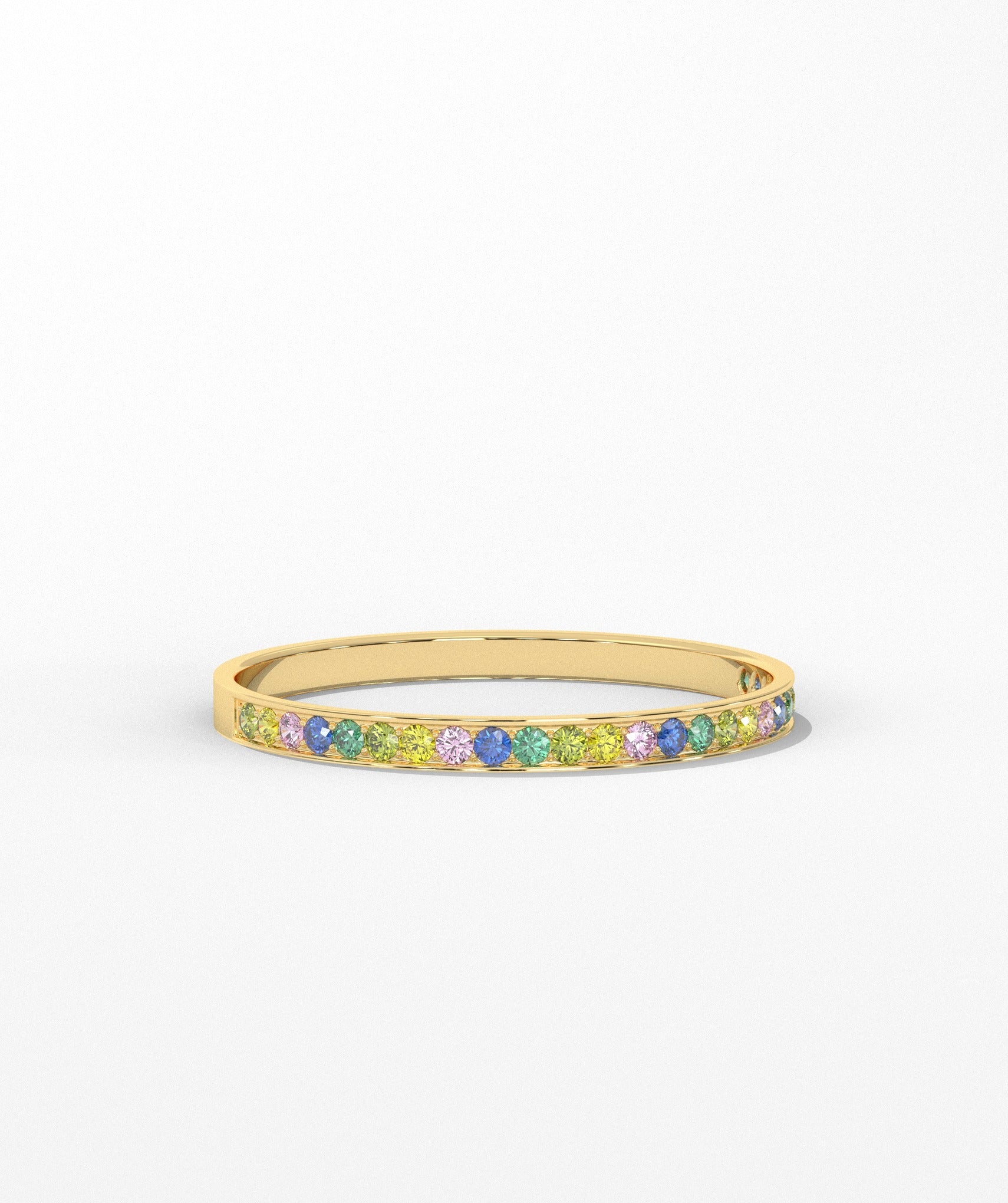
Layer and stack: One of the biggest trends in birthstone jewelry is combining multiple stones. A mother might wear her children's birthstones together on a necklace. Couples stack their two birthstones in rings. Friends gift each other their respective stones. The possibilities for personalization are endless.
Quality matters: Look for solid gold (not gold-plated or vermeil), natural or ethically sourced gemstones, and hypoallergenic materials. These details determine whether a piece lasts a season or a lifetime.
Final Thoughts
Birthstones are more than pretty gems assigned to calendar months. They're carriers of ancient stories, cultural meaning, and deeply personal significance. Whether you're drawn to the fiery passion of a ruby, the serene calm of an aquamarine, or the warm glow of a citrine, your birthstone is a reflection of something uniquely yours.
And when you find the right setting for that stone, a piece that's thoughtfully designed, beautifully crafted, and made to be worn every day, it becomes more than jewelry. It becomes a part of your story.
If you're looking for birthstone jewelry that balances meaningful personalization with modern elegance, explore BESEEN Jewelry's complete birthstone collection. Handcrafted in 14K solid gold with natural gemstones, it's jewelry made to be seen, and made to mean something.
FAQs
1. Can you wear a birthstone that isn't mine?
Absolutely. Many people wear the birthstones of loved ones to feel connected to them, or simply choose a stone they find beautiful regardless of their birth month. There are no rules, wear what speaks to you.
2. Why do some months have multiple birthstones?
Several factors contribute to this. Traditional and modern lists sometimes disagree. Historical updates by organizations like the Jewelers of America have added options for accessibility, variety, and affordability. Months like June, August, October, and December are especially rich in choices.
3. Are birthstones mentioned in the Bible?
The concept is often linked to the twelve stones on the High Priest Aaron's breastplate described in Exodus 28, which represented the twelve tribes of Israel. Over time, these stones became associated with months and eventually with the idea of personal birthstones.
4. Do birthstones have healing properties?
Many cultures throughout history have attributed healing, protective, and spiritual properties to gemstones. While there's no scientific evidence for these claims, the symbolism and personal meaning behind birthstones remain deeply significant to many people.
5. What is the rarest birthstone?
Alexandrite (June) is widely considered the rarest birthstone due to its scarcity and remarkable color-changing properties. Fine natural alexandrite can command prices higher than diamonds of comparable size.
6. What is the most affordable birthstone?
Citrine (November), amethyst (February), and blue topaz (December) are among the most accessible birthstones, offering beautiful color and quality at approachable price points.
7. What is the January Birthstone?
Garnet, usually known for its deep red color.
8. What is the February Birthstone?
Amethyst, a purple variety of quartz.
9. What is the March Birthstone?
Aquamarine, named for its ocean-blue hue.
10. What is the April Birthstone?
Diamond, the hardest and most famous gemstone.
11. What is the May Birthstone?
Emerald is valued for its rich green color.
12. What is the June Birthstone?
Pearl, Alexandrite (which changes color in different light), and Moonstone.
13. What is the July Birthstone?
Ruby, the vibrant red "king of gems."
14. What is the August Birthstone?
Peridot, Spinel, and Sardonyx.
15. What is the September Birthstone?
Sapphire, most commonly admired in deep blue.
16. What is the October Birthstone?
Opal or Tourmaline, known for their many colors.
17. What is the November Birthstone?
Topaz or Citrine, often found in warm yellow tones.
18 What is the December Birthstone?
Turquoise, Tanzanite, Zircon, and Blue Topaz.
19. What is the most expensive birthstone?
While diamonds are highly valuable, exceptionally rare gems like fine-quality Alexandrite and 'pigeon blood' Rubies routinely command much higher prices per carat than standard colorless diamonds.
20. What are semi-precious birthstones?
Semi-precious is an outdated commercial term historically used to describe any gem other than Diamond, Ruby, Sapphire, and Emerald. Modern gemologists advise against using it, as many "semi-precious" gems (like Alexandrite or Tsavorite Garnet) are actually far rarer and more costly than traditional precious stones.
21. What is the best birthstone?
The best birthstone depends on personal choice. Many people consider the Diamond the best because it is strong and valuable.
22. How do you choose the right birthstone for someone?
Choose the stone for their birth month, favorite color, style, and budget.
23. What are the different types of birthstone jewelry?
Rings, necklaces, bracelets, earrings, pendants, and charms.
24. How are birthstones used in jewelry?
They are set into metal like gold or silver to make decorative pieces.
25. How do you care for and clean birthstone jewelry?
Clean gently with warm water, mild soap, and a soft cloth. Store safely to avoid scratches.
26. What are the 5 rarest birthstones?
The rarest ones include Alexandrite, fine-quality Rubies, Emeralds, Sapphires, and Tanzanite. (While popular and highly valued, diamonds are actually quite abundant in nature by comparison).
27. What do the birthstones symbolize?
Each stone has a meaning, such as love, protection, strength, or wisdom.
28. How many birthstones are there in total?
While there are 12 months, there are actually over 20 recognized birthstones when you combine the modern and traditional lists.
29. What is the least popular birthstone?
Opaque traditional stones like Sardonyx (August) and Bloodstone (March) are arguably the least popular today, as they are rarely featured in mainstream modern jewelry.
30. What is a hidden birthstone?
A hidden birthstone is a small stone placed inside jewelry where it cannot be easily seen.
31. What is the luckiest birthstone?
Historically, Emerald (May) and Citrine (November) are considered among the luckiest birthstones, heavily associated with growth, prosperity, and good fortune.
32. Which is the most powerful birthstone?
Some believe the Diamond is the most powerful because of its strength and clarity.
33. Which birthstone is love?
The Ruby is known as the stone of love and passion.